
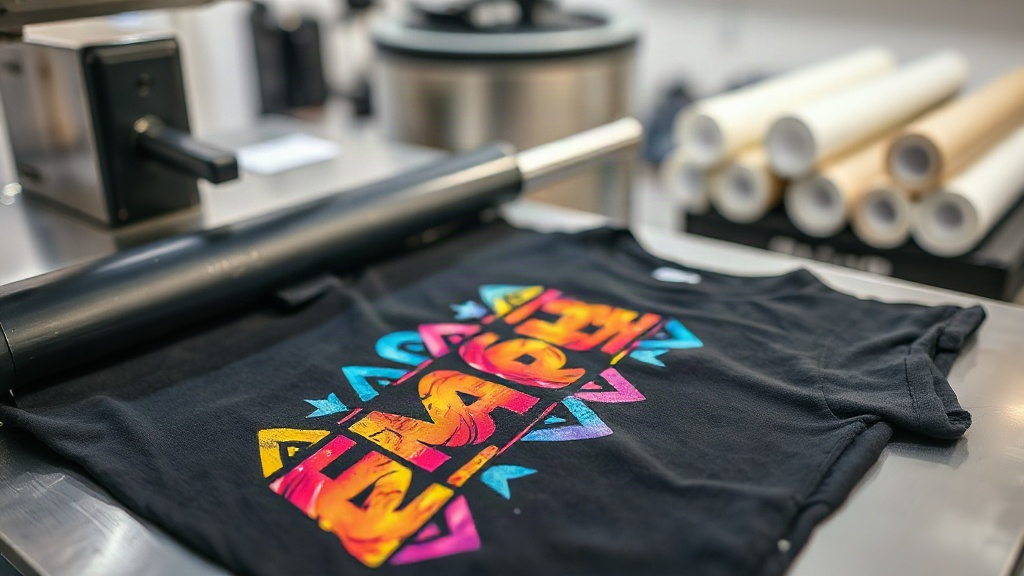
Imagine pressing a button and watching a vibrant, full-color design materialize on a t-shirt in minutes. That's the magic of DTF Transfers, a printing technology that's rapidly becoming the go-to for custom apparel creators. Unlike traditional methods that limit your fabric choices or color range, DTF transfers offer unmatched flexibility and durability. Whether you're a small business owner, a DIY enthusiast, or a professional printer, understanding DTF transfers can elevate your game and open up new creative possibilities. In this guide, we'll dive deep into what DTF transfers are, how they work, and why they might be the perfect solution for your next project.
What Are DTF Transfers?
DTF stands for Direct to Film. It's a printing process where your design is printed onto a special film, coated with a adhesive powder, and then heat-pressed onto the fabric. The result is a soft, stretchable, and highly detailed transfer that bonds permanently to the material. Unlike DTG (Direct to Garment) printing, which requires pre-treatment and works best on cotton, DTF transfers can adhere to a wide range of fabrics, including polyester, blends, and even leather. The process involves a few key steps: designing your artwork, printing it onto the film using specialized inks, applying the powder, and curing it. Once ready, the transfer is placed on the garment and pressed with a heat press. The film is then peeled away, leaving your design behind.
The DTF Printing Process Step by Step
To give you a clearer picture, here's a breakdown of how DTF transfers are created:
- Design Preparation: Your artwork is prepared in a graphics program, ensuring it's mirrored and sized correctly.
- Printing: A DTF printer uses CMYK plus white ink to print the design onto a PET film. The white ink acts as a base, allowing the colors to pop on dark fabrics.
- Powder Application: While the ink is still wet, a thermoplastic powder is sprinkled over the design. The excess powder is shaken off.
- Curing: The film passes through a curing oven or heat press to melt the powder, creating a adhesive layer.
- Transfer: The film is placed on the garment and pressed at a specific temperature and pressure for a set time.
- Peeling: After pressing, the film is peeled off (hot or cold peel, depending on the film type), leaving the design bonded to the fabric.
Why Choose DTF Transfers Over Other Printing Methods?
If you're wondering whether DTF is right for you, consider these advantages:
- Fabric Versatility: Works on cotton, polyester, blends, nylon, and more. No need for separate inventory for different materials.
- No Weeding or Cutting: Unlike vinyl, DTF transfers don't require manual weeding, saving time and labor.
- Vibrant Colors: The white ink base ensures bright, opaque colors even on dark garments.
- Durability: When applied correctly, DTF transfers withstand repeated washing without cracking or fading.
- Cost-Effective for Short Runs: No setup fees or minimums, making it ideal for small batches and personalized items.
- Soft Feel: The transfers are thin and flexible, providing a comfortable wear.
These benefits make DTF transfers a popular choice for custom t-shirts, hoodies, tote bags, and even promotional items.
DTF Transfers vs. Other Printing Technologies
How does DTF stack up against DTG, screen printing, and vinyl? Let's compare.
DTF vs. DTG
DTG printing is excellent for 100% cotton garments and produces a soft feel. However, it requires pre-treatment, which adds time and cost. DTF, on the other hand, needs no pre-treatment and works on more fabrics. DTF also tends to have more vibrant colors on dark shirts because of the white ink layer. For businesses that want to offer a variety of apparel options without multiple machines, DTF is more versatile.
DTF vs. Screen Printing
Screen printing is cost-effective for large orders but requires separate screens for each color, making short runs expensive. DTF has no setup costs and can produce full-color designs in one go. While screen printing may offer slightly better durability for extremely high-volume orders, DTF is catching up and is often preferred for its flexibility.
DTF vs. Heat Transfer Vinyl (HTV)
HTV requires cutting and weeding, which is time-consuming and limits design complexity. DTF allows for intricate, multi-color designs without any weeding. HTV can also feel thicker on the garment, whereas DTF transfers are thinner and softer. For detailed artwork, DTF is the clear winner.
Applications of DTF Transfers
DTF transfers are used in a variety of settings:
- Custom Apparel: T-shirts, hoodies, jeans, jackets, and more.
- Sports Teams: Jerseys with names and numbers.
- Corporate Wear: Branded uniforms and promotional items.
- Fashion: Boutique clothing with unique designs.
- Home Decor: Pillows, aprons, and tote bags.
The possibilities are endless, limited only by your imagination.
How to Get Started with DTF Transfers
Ready to try DTF? Here's what you need:
- DTF Printer: A dedicated DTF printer with white ink capability. Prices have become more affordable, with entry-level models available.
- DTF Film: Special PET film designed for DTF printing.
- DTF Powder: Thermoplastic powder that adheres to the ink.
- Heat Press: A reliable heat press capable of reaching 325°F (160°C) and applying even pressure.
- Design Software: Any vector or raster graphics software.
If you prefer not to invest in equipment, you can order pre-made DTF transfers from a supplier. Many companies offer custom transfer services where you upload your design and receive ready-to-press transfers.
Tips for Perfect DTF Transfers
To ensure your DTF transfers look professional and last long, follow these tips:
- Pre-press the Garment: Remove moisture and wrinkles before applying the transfer.
- Use the Right Settings: Follow the film manufacturer's recommendations for temperature, pressure, and time.
- Cool Peel or Hot Peel: Know whether your film requires hot or cold peel. Cold peel often yields a smoother finish.
- Wash Inside Out: To prolong the life of the transfer, wash garments inside out in cold water and avoid fabric softeners.
- Test on Scrap Fabric: Always test your settings on a similar fabric before pressing the final product.
Common Mistakes to Avoid
Even experienced printers can slip up. Watch out for these pitfalls:
- Insufficient Pressure: Leads to poor adhesion and early peeling.
- Wrong Temperature: Too low and the powder won't melt; too high and the film may warp.
- Not Pre-pressing: Moisture can cause the transfer to lift.
- Over-stretching: When pressing, avoid stretching the garment, as it can distort the design.
Frequently Asked Questions
How long do DTF transfers last?
With proper application and care, DTF transfers can last 50+ washes without significant fading or cracking. Following washing instructions is key to longevity.
Can I use DTF transfers on dark colors?
Absolutely! DTF transfers include a white ink base that makes colors pop on dark fabrics. This is one of the main advantages over DTG printing.
Do I need a special printer for DTF?
Yes, you need a DTF printer that supports white ink. However, if you don't want to invest in a printer, you can order custom DTF transfers from suppliers.
What fabrics work best with DTF?
DTF works on a wide range of fabrics, including cotton, polyester, blends, nylon, and leather. It's one of the most versatile printing methods available.
Is DTF printing cost-effective for small businesses?
Yes, DTF is ideal for small businesses because there are no minimum order requirements or setup fees. You can print one-off designs or small batches economically.
Conclusion
DTF Transfers are transforming the custom apparel industry with their versatility, durability, and vibrant results. Whether you're a hobbyist or a professional, incorporating DTF into your workflow can expand your offerings and delight your customers. By understanding the process, avoiding common mistakes, and following best practices, you can achieve professional-quality prints that last. So why wait? Explore the world of DTF transfers and unleash your creativity on any fabric.