
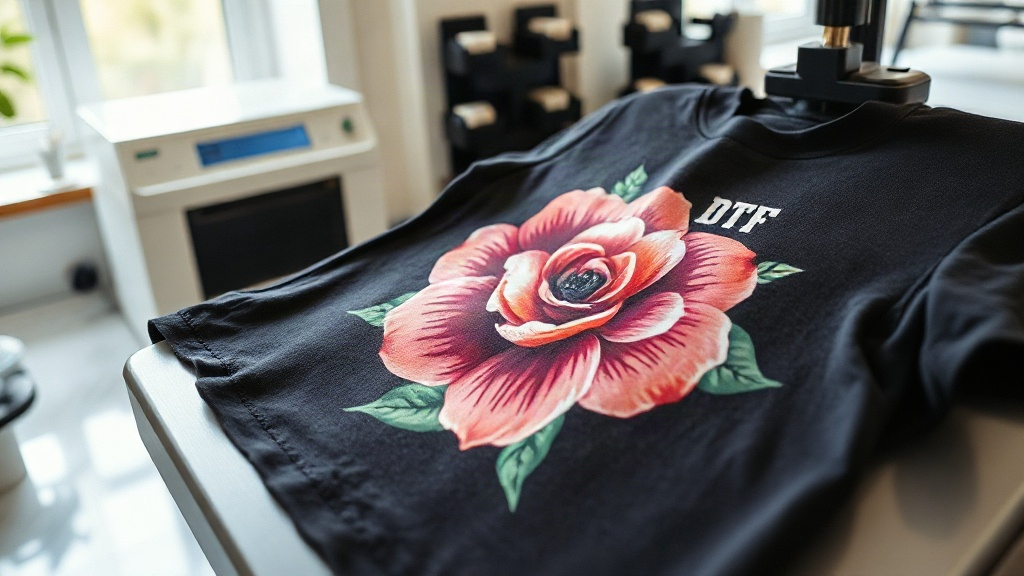
Imagine pressing a vibrant, full-color design onto a cotton t-shirt in under a minute, with no color limitations and no pre-treatment. That's the promise of DTF transfers, a technology that's rapidly become a favorite among apparel decorators, from small business owners to large print shops. Whether you're new to custom printing or looking to expand your offerings, understanding DTF transfers can open up a world of possibilities for your business or creative projects.
What Are DTF Transfers?
DTF stands for Direct to Film. It's a printing method where your design is printed onto a special PET film using water-based pigments, then coated with a thermoplastic adhesive powder. After the powder is cured, the transfer is ready to be applied to fabric using a heat press. Unlike DTG (Direct to Garment) or screen printing, DTF transfers are created separately from the garment, giving you the flexibility to print on demand and apply to a wide range of materials.
How DTF Transfers Work: Step by Step
Curious about the process? Here's a breakdown of how DTF transfers are made and applied:
- Design Preparation: Your artwork is prepared digitally, with colors adjusted for the CMYK+W printing process.
- Printing: The design is printed onto a PET film using a DTF printer. White ink is typically printed as a base layer to ensure opacity on dark fabrics.
- Powder Application: While the ink is still wet, a fine adhesive powder is sprinkled over the print. Excess powder is shaken off.
- Curing: The film passes through a curing oven or under a heat source to melt the powder, creating a flexible adhesive layer.
- Transfer: The cured film is placed on the garment and pressed with a heat press (usually at 150-160°C for 10-15 seconds). After cooling, the film is peeled away, leaving the design bonded to the fabric.
Why Choose DTF Transfers?
DTF transfers have gained massive popularity for several compelling reasons:
- Unmatched Versatility: Works on almost any fabric, including cotton, polyester, blends, leather, and even nylon. No need for different inks or pre-treatment.
- Vibrant, Detailed Prints: Capable of reproducing intricate details, gradients, and photorealistic images with stunning color accuracy.
- Durability: When applied correctly, DTF prints withstand repeated washing without cracking, fading, or peeling.
- Cost-Effective for Short Runs: No minimum order quantity, making it ideal for small businesses, personalized items, and samples.
- No Weeding or Masking: Unlike vinyl, there's no tedious cutting or weeding involved.
DTF vs. Other Printing Methods
How does DTF stack up against traditional techniques? Let's compare:
DTF vs. DTG
DTG prints directly onto the garment, which works best on 100% cotton. DTF, on the other hand, adheres to a wider range of fabrics and often produces more vibrant colors on dark shirts without the need for pre-treatment. DTF transfers also allow you to print on demand and store transfers for later use.
DTF vs. Screen Printing
Screen printing is cost-effective for large orders but requires setup for each color and screen. DTF excels in short runs and complex designs with many colors, as there's no per-color cost. However, for very large orders, screen printing may still be more economical.
DTF vs. Vinyl
Heat transfer vinyl (HTV) is great for simple designs but limited in color and detail. DTF can handle full-color images and gradients with ease, and there's no weeding, making it faster for intricate artwork.
Applications of DTF Transfers
From custom t-shirts to corporate uniforms, DTF transfers are used across various industries:
- Fashion and Apparel: Create on-demand clothing with unique designs.
- Sportswear: Personalize jerseys, team uniforms, and activewear with names and numbers.
- Promotional Products: Brand tote bags, caps, and jackets for events.
- Home Decor: Customize pillows, aprons, and quilts.
- Accessories: Add designs to phone cases, mousepads, and more (on compatible surfaces).
Tips for Successful DTF Transfer Application
To get the best results, follow these expert tips:
- Choose the Right Film: Use quality DTF film designed for your printer. Cheap films can cause ink bleeding or poor adhesion.
- Control Moisture: Ensure garments are dry before pressing. Moisture can ruin the transfer.
- Pre-Press Garments: This removes wrinkles and moisture, ensuring a smooth surface.
- Use Correct Settings: Follow the transfer supplier's recommended temperature, pressure, and time. Typically, 150-160°C for 10-15 seconds with medium pressure.
- Peel Properly: Wait for the transfer to cool completely before peeling (cold peel) for best results.
- Wash Care: Wait 24 hours before washing. Turn garments inside out and wash in cold water. Avoid fabric softeners and bleach.
Common Challenges and How to Overcome Them
Even with the best practices, you might encounter issues. Here's how to troubleshoot:
- Ink Cracking: Usually caused by too much pressure or insufficient powder. Adjust press settings and ensure even powder coverage.
- Poor Adhesion: Could be due to low temperature, insufficient pressure, or expired film. Check your heat press calibration.
- Color Fading: Use high-quality inks and follow wash care instructions.
- Ghosting: Occur when the transfer shifts during pressing. Use heat tape to secure the transfer.
Frequently Asked Questions About DTF Transfers
What fabrics can I use with DTF transfers?
DTF transfers work on a wide range of fabrics, including cotton, polyester, cotton-poly blends, leather, denim, and nylon. They are especially popular for polyester and dark garments where other methods may struggle.
How long do DTF transfers last?
With proper application and care, DTF transfers can last as long as the garment itself. Expect 50+ washes without significant fading or cracking when following recommended washing instructions.
Can I apply DTF transfers with a home iron?
While possible, a heat press is highly recommended for professional results. A home iron may not provide consistent temperature and pressure, leading to poor adhesion and durability.
Do I need special equipment to make DTF transfers?
Yes, you need a DTF printer, DTF film, adhesive powder, and a curing oven or heat press for curing. However, you can also purchase pre-made DTF transfers from suppliers and apply them with just a heat press.
Is DTF printing eco-friendly?
DTF printing uses water-based inks, which are more environmentally friendly than solvent-based alternatives. However, the PET film and powder do contribute to waste, so proper disposal and recycling are encouraged.
Conclusion
DTF transfers have transformed the custom apparel industry by offering unparalleled versatility, vibrant colors, and durability. Whether you're a small business owner, a craft enthusiast, or a large-scale printer, incorporating DTF into your workflow can expand your creative and commercial potential. By understanding the process, benefits, and best practices, you can achieve professional-quality results that impress your customers and keep them coming back.