
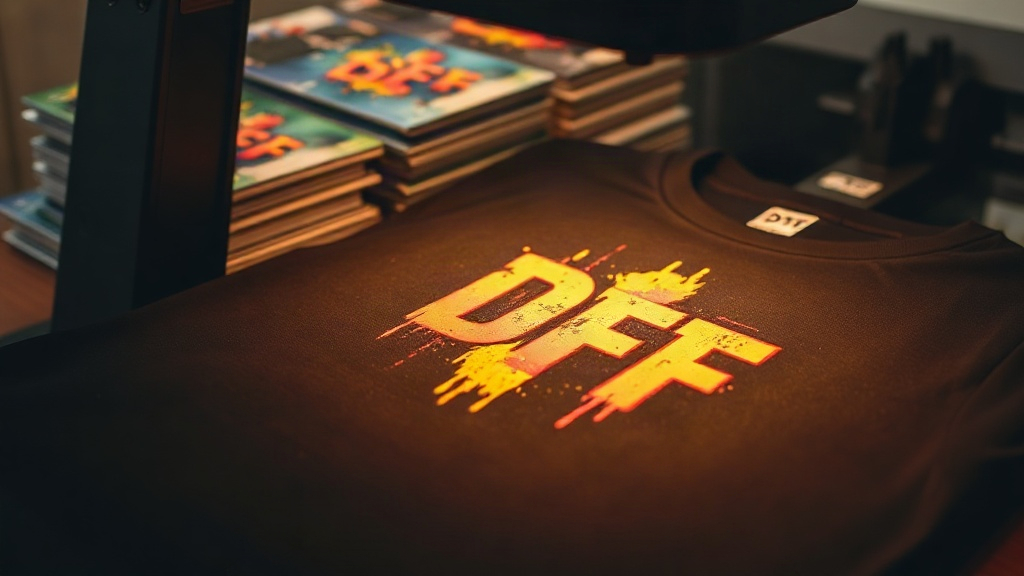
When you first hear about DTF transfers, you might picture a complicated process reserved for professional print shops. But the truth is, direct-to-film printing has opened up a world of possibilities for small business owners, crafters, and anyone who wants to add vibrant, durable designs to fabrics. Unlike other methods that require specific materials or expensive equipment, DTF transfers work on almost any fabric, from cotton and polyester to blends and even nylon. In this guide, I'll walk you through everything you need to know to get started, sharing insights I've gathered from countless hours of printing and pressing. By the end, you'll feel confident to tackle your own projects and maybe even start offering custom apparel to others.
What Exactly Are DTF Transfers?
At its core, DTF transfers are printed designs on a special film that are then transferred onto fabric using a heat press. The process begins with a digital printer that lays down a layer of white ink, followed by color inks, and finally a powdered adhesive. This adhesive is crucial because it allows the design to bond with the fabric when heat and pressure are applied. The result is a soft, stretchable print that feels like part of the garment rather than a plastic layer on top. What sets DTF transfers apart is their versatility: you can print on dark colors, light colors, and even tricky materials like canvas or leather. Plus, the prints hold up well to repeated washing, making them ideal for items that get heavy use.
Why Choose DTF Transfers Over Other Methods?
You might be wondering how DTF transfers compare to more familiar techniques like screen printing or vinyl. Screen printing is great for large orders of the same design, but it requires separate screens for each color, which can be costly for small runs. Vinyl cutting is perfect for simple shapes but struggles with intricate details and full-color images. DTF transfers shine because they handle complex artwork with gradients, photographs, and fine lines without any extra setup. There's no need to weed tiny pieces or worry about color registration. Another advantage is the ability to print on demand: you can produce a single shirt with a detailed design just as easily as a hundred. For a small business, this means you can offer a wide range of products without tying up cash in inventory. And because the prints are so durable, your customers will be happy with the longevity.
Fabric Compatibility: What Works Best?
One of the biggest myths about DTF transfers is that they only work on cotton. In reality, they adhere beautifully to a wide range of materials. Here's a quick breakdown:
- Cotton: The gold standard. Prints bond strongly and feel soft.
- Polyester: Works well, but you may need to lower the pressing temperature to avoid scorching or dye migration.
- Blends: Cotton-poly blends are no problem; just adjust temperature and pressure as needed.
- Nylon and leather: Surprisingly, DTF transfers can adhere to these with careful temperature control. Always test on a scrap piece first.
For best results, pre-press the garment to remove moisture and wrinkles. This step is often overlooked but makes a huge difference in adhesion.
Step-by-Step Application Process
Applying DTF transfers is straightforward, but attention to detail ensures a professional finish. Follow these steps:
- Preheat the heat press: Set the temperature to around 300-325°F (150-160°C) for cotton, lower for polyester.
- Position the transfer: Place the film on the garment with the printed side up. The adhesive side should face the fabric.
- Press: Apply medium to firm pressure for 10-15 seconds. Too little pressure and the design won't stick; too much and it may spread.
- Peel: Wait a few seconds for the transfer to cool slightly, then peel the film off in a smooth, consistent motion. If you peel too hot, the design might stretch; too cold, and it may crack.
- Post-press: For extra durability, cover the design with a parchment sheet and press again for 5-10 seconds. This step is optional but recommended for items that will be washed frequently.
Each heat press behaves a little differently, so I always recommend doing a test press on a similar fabric before running a full batch. Keep a log of your settings for future reference.
Common Challenges and How to Overcome Them
Even with the best equipment, you might run into issues. Here are a few common problems and their solutions:
- Design peeling after washing: This usually means insufficient pressure or time. Increase pressure and ensure the entire design is covered by the press.
- Color fading: Over-pressing can cause colors to dull. Lower the temperature and shorten the press time.
- Adhesive residue on film: If the film feels sticky after peeling, you likely peeled too soon. Let it cool a bit longer.
- Dye migration on polyester: Some polyester dyes can bleed into the print. Use a low-temperature adhesive powder or pre-treat the fabric.
Don't get discouraged if your first attempts aren't perfect. With a bit of practice, you'll develop a feel for the right settings.
Choosing the Right DTF Transfer Supplier
Not all DTF transfers are created equal. The quality of the film, inks, and adhesive powder varies significantly between suppliers. When sourcing transfers, look for:
- Vibrant colors: High-quality prints should be bold and opaque, even on dark fabrics.
- Soft hand feel: The print should not feel like a thick plastic patch.
- Durability: Ask for wash test results or try a sample yourself.
- Customer service: A responsive supplier can help you troubleshoot and improve your process.
If you're printing in-house, invest in a reliable DTF printer and quality supplies. The upfront cost may be higher, but the flexibility and cost-per-print savings add up quickly.
Frequently Asked Questions About DTF Transfers
How long do DTF transfers last?
With proper application and care, DTF transfers can last as long as the garment itself. Wash inside out in cold water and avoid harsh detergents or high heat in the dryer.
Can I use DTF transfers on 100% polyester?
Yes, but you'll need to adjust your pressing temperature to around 275-300°F (135-150°C) to prevent scorching and dye migration. Always test first.
Do I need a special printer for DTF transfers?
You can buy pre-printed transfers from a supplier, or if you want to print your own, you'll need a DTF printer with white ink capability and a shaker for the adhesive powder.
What's the difference between DTF and DTG?
DTG (direct-to-garment) prints directly onto the fabric, while DTF transfers are printed on a film and then applied with heat. DTF works on more fabric types and often produces more vibrant colors on dark shirts.
Can I stretch the design after pressing?
DTF prints are flexible and will stretch with the fabric to some degree, but excessive stretching can cause cracking. It's best to avoid stretching the printed area forcefully.
Starting with DTF transfers can feel overwhelming, but once you master the basics, you'll unlock a world of creative possibilities. Whether you're making custom tees for your team or launching a clothing line, this technology gives you the freedom to print what you want, when you want. Remember to practice, keep notes, and don't be afraid to experiment. With a little patience, you'll be producing professional-quality apparel in no time.