
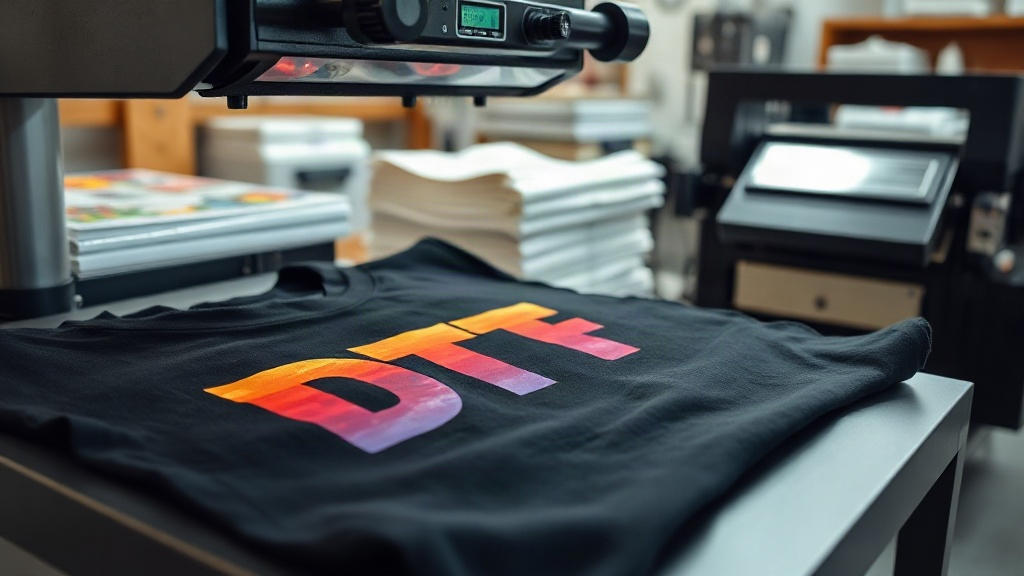
If you've been exploring custom apparel printing, you've likely encountered DTF Transfers. This technology has rapidly gained popularity for its versatility and vibrant results. Unlike traditional methods, DTF Transfers allow you to print full-color designs on a wide range of fabrics without the need for weeding or specialized equipment. Whether you're a small business owner or a DIY enthusiast, understanding DTF transfers can open up new creative possibilities.
What Are DTF Transfers?
DTF stands for Direct to Film. It's a printing process where your design is printed onto a special film, coated with a powder adhesive, and then heat-pressed onto the fabric. The result is a soft, stretchable print that adheres well to cotton, polyester, blends, and even nylon. Unlike DTG (Direct to Garment) printing, DTF transfers don't require pre-treatment, and they work on dark and light garments alike.
The DTF Printing Process
The process begins with a digital printer that lays down CMYK and white ink onto a PET film. The white ink acts as a base, allowing the colors to pop on any fabric color. After printing, a hot-melt adhesive powder is applied to the wet ink, and the film is cured. Once cured, the transfer is ready to be applied with a heat press.
Why Choose DTF Transfers?
There are several reasons why DTF Transfers have become a go-to solution for many printers:
- Versatility: Works on cotton, polyester, blends, and even treated nylon.
- No Weeding: Unlike vinyl, there's no tedious weeding process.
- Vibrant Colors: The white ink base ensures bright, opaque colors on dark garments.
- Durability: When applied correctly, DTF prints withstand repeated washing without cracking or fading.
- Cost-Effective: Low setup costs make it ideal for small batches and custom orders.
Step-by-Step Guide to Applying DTF Transfers
Applying a DTF transfer is straightforward, but following the correct steps ensures a professional finish. Here's how to do it:
- Preheat Your Heat Press: Set the temperature to 325°F (160°C) for cotton or 300°F (150°C) for polyester. Preheat for about 10-15 seconds to remove moisture.
- Position the Transfer: Place the DTF transfer on the garment with the printed side facing up. The film should be on top.
- Press: Apply medium to high pressure for 10-15 seconds. For larger designs, you may need to press in sections.
- Peel: Wait for the transfer to cool completely before peeling off the film. This is called a cold peel. Peel slowly at a low angle.
- Post-Press (Optional): For extra durability, cover the design with parchment paper and press again for 5-10 seconds.
Common Mistakes to Avoid
Even with a simple process, errors can happen. Avoid these common pitfalls:
- Pressing at too high a temperature, which can scorch the fabric or melt the film.
- Peeling too soon, which can cause the design to lift or stretch.
- Using too little pressure, resulting in poor adhesion.
- Not preheating the garment, leading to moisture trapped under the transfer.
DTF Transfers vs. Other Printing Methods
How do DTF Transfers stack up against other popular methods? Here's a quick comparison:
- DTF vs. DTG: DTF works on more fabric types and doesn't require pre-treatment. DTG is limited to cotton and needs pre-treatment for dark shirts.
- DTF vs. Vinyl: DTF allows full-color, complex designs without weeding. Vinyl is limited to single colors and simple shapes.
- DTF vs. Screen Printing: DTF is more cost-effective for small runs and offers unlimited colors. Screen printing is better for large orders but has setup costs per color.
- DTF vs. Sublimation: DTF works on cotton and dark fabrics, while sublimation requires polyester or light-colored garments.
Tips for Long-Lasting DTF Prints
To ensure your DTF transfers last, follow these care instructions:
- Wash the garment inside out in cold water.
- Avoid using fabric softener or bleach.
- Tumble dry on low or hang dry.
- Do not iron directly on the print.
Frequently Asked Questions
Can I use DTF transfers on 100% polyester?
Yes, DTF transfers work well on polyester. However, you should lower the pressing temperature to about 300°F (150°C) to prevent the fabric from scorching or the print from becoming too glossy.
How durable are DTF transfers after washing?
When applied correctly and cared for properly, DTF transfers can last as long as the garment itself. They resist cracking, peeling, and fading through many wash cycles.
Do I need a special printer for DTF transfers?
Yes, you need a DTF printer that uses DTF inks and can print white ink. Alternatively, you can purchase pre-printed DTF transfers from suppliers.
What is the best way to store unused DTF transfers?
Store them in a cool, dry place away from direct sunlight. Keep them in a sealed bag to prevent dust and moisture from affecting the adhesive powder.
Can I stretch the garment after applying a DTF transfer?
DTF transfers have some stretchability, but excessive stretching can cause the print to crack over time. It's best to avoid stretching the printed area forcefully.