
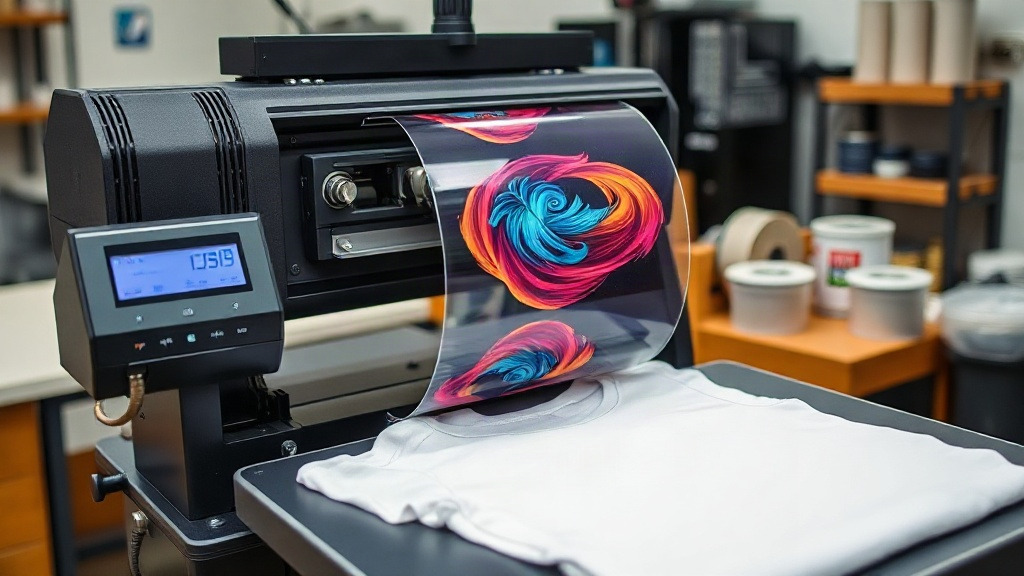
If you've been exploring custom apparel decoration, you've likely encountered DTF printing. Short for Direct-to-Film, this technology has quickly become a favorite among small business owners, hobbyists, and even large-scale manufacturers. But what exactly makes DTF so popular? In this guide, we'll break down the DTF printing process, its advantages, and how you can start using it to bring your creative ideas to life.
What is DTF Printing?
DTF printing is a digital printing method where your design is printed onto a special film, coated with a powder adhesive, and then heat-pressed onto fabric. Unlike other methods, DTF doesn't require pre-treatment of the garment, making it incredibly versatile. Whether you're working with cotton, polyester, or blends, DTF can handle it all.
The DTF Printing Process Step by Step
- Design Preparation: Create your artwork in a graphic design software. Ensure it's mirrored if necessary, depending on your printer setup.
- Printing: Your design is printed onto a PET film using specialized DTF inks. These inks are vibrant and durable.
- Powder Application: While the ink is still wet, a hot-melt adhesive powder is applied evenly over the print.
- Curing: The film passes through a curing oven or heat press to melt the powder, creating a transferable layer.
- Heat Pressing: The film is placed on the garment and pressed with heat and pressure. Once cooled, the film is peeled away, leaving a soft, flexible print.
Why Choose DTF Printing?
DTF printing offers several unique benefits that set it apart from other decoration methods like screen printing or DTG.
Versatility Across Fabrics
One of the biggest advantages of DTF is its ability to adhere to a wide range of materials. From 100% cotton t-shirts to polyester hoodies and even nylon jackets, DTF works where other methods might fail.
No Weeding or Cutting Required
Unlike vinyl printing, DTF doesn't require you to weed out excess material. This saves time and reduces waste, especially for intricate designs with fine details.
Vibrant and Durable Prints
DTF prints are known for their bright colors and high opacity. The prints stretch with the fabric without cracking, making them ideal for activewear and garments that undergo frequent washing.
Cost-Effective for Short Runs
For small batches, DTF is more economical than screen printing, which requires setup costs per color. With DTF, you can print one-off designs or small orders without breaking the bank.
Getting Started with DTF Printing
Ready to dive into DTF printing? Here's what you'll need and how to set up your workflow.
Essential Equipment
- DTF Printer: A dedicated printer that uses DTF inks. Epson models are popular for conversions.
- DTF Inks: Specialized pigment inks designed for film printing.
- PET Film: Transparent film sheets that hold the print.
- Adhesive Powder: Hot-melt powder that bonds the ink to the fabric.
- Heat Press: For transferring the design onto garments.
- Curing Oven: Optional but recommended for efficient powder melting.
Step-by-Step Workflow
Start by designing your artwork. Print it onto the film using your DTF printer. While the ink is wet, sprinkle the adhesive powder over it. Shake off excess powder, then cure the film in an oven or with a heat press. Finally, press the film onto your garment at the recommended temperature and pressure. Peel the film off after it cools for a smooth finish.
Common Mistakes to Avoid
Even though DTF is forgiving, some pitfalls can affect your results. Here are a few to watch out for:
- Insufficient Powder: Not applying enough powder leads to poor adhesion. Ensure even coverage.
- Incorrect Curing: Under-curing causes the print to wash off; over-curing can make it brittle.
- Wrong Pressure: Too little pressure results in incomplete transfer; too much can cause ink to spread.
- Skipping Pre-Press: Always pre-press the garment to remove moisture and wrinkles for a smooth application.
DTF vs. Other Printing Methods
How does DTF stack up against DTG, screen printing, and vinyl? Let's compare.
DTF vs. DTG
DTG (Direct-to-Garment) prints directly onto the fabric and works best on 100% cotton. DTF, on the other hand, can be used on almost any fabric and often produces more vibrant colors. However, DTG may feel softer on the garment since there's no transfer layer.
DTF vs. Screen Printing
Screen printing is cost-effective for large orders but requires separate screens for each color. DTF excels at detailed, multi-color designs without setup costs, making it ideal for small businesses and personalized items.
DTF vs. Vinyl
Vinyl printing involves cutting and weeding, which is time-consuming for complex designs. DTF eliminates these steps and offers more flexibility in design complexity.
Applications of DTF Printing
DTF is used across various industries and personal projects. Here are some popular applications:
- Custom T-shirts: Perfect for small businesses, events, and gifts.
- Sportswear: Durable prints that stretch with the fabric.
- Denim and Jackets: Adds vibrant designs to heavy fabrics.
- Bags and Accessories: Personalize totes, backpacks, and more.
- Promotional Items: Quick turnaround for corporate giveaways.
Tips for Success with DTF Printing
To get the best results, follow these expert tips:
- Use High-Quality Inks: Cheap inks can clog your printer and produce dull colors.
- Maintain Your Printer: Regular cleaning prevents nozzle clogs and ensures consistent output.
- Test Before Production: Always do a test press on a scrap fabric to check settings.
- Store Films Properly: Keep unused films in a cool, dry place to avoid moisture absorption.
Frequently Asked Questions
What fabrics can I use with DTF printing?
DTF works on a wide range of fabrics, including cotton, polyester, blends, nylon, and even leather. It's one of the most versatile printing methods available.
How long do DTF prints last?
When properly applied and cared for, DTF prints can last as long as the garment itself. They withstand repeated washing without fading or cracking.
Do I need special software for DTF printing?
No, you can use any graphic design software like Adobe Photoshop or Illustrator. Just ensure your design is high resolution and mirrored if required by your printer.
Can I use a regular inkjet printer for DTF?
No, DTF requires a dedicated printer with DTF inks and a powder application system. Converting a regular printer is possible but not recommended for consistent results.
Is DTF printing cost-effective for small businesses?
Yes, DTF is highly cost-effective for short runs and custom orders because there are no setup fees or minimum quantities. It allows you to offer personalized products without large investments.
With its versatility, durability, and ease of use, DTF printing is a game-changer for anyone in the custom apparel industry. Whether you're just starting out or looking to expand your offerings, DTF is worth exploring.