
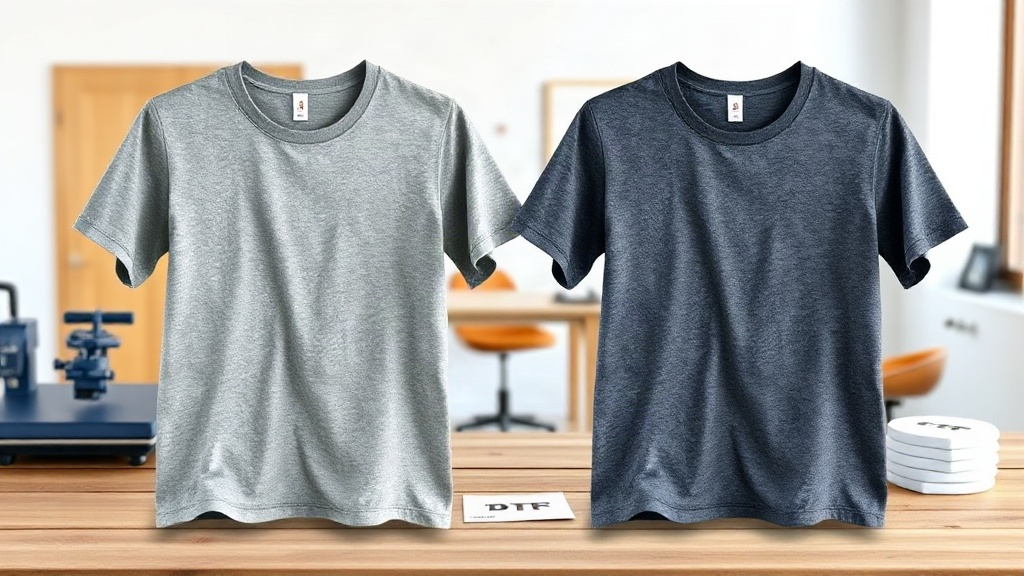
When you're creating custom apparel with DTF transfers, the blank you choose is just as important as the design itself. Two names that frequently come up in this space are smart blanks and shaka wear. Both offer quality options, but they cater to slightly different needs. In this article, we'll break down what makes each brand unique, how they perform with dtf transfers, and help you decide which one is right for your next project.
What Are Smart Blanks?
Smart blanks is a line of apparel designed with decoration in mind. These blanks are known for their consistent quality, soft hand feel, and compatibility with various printing methods, including DTF. They often feature a tight knit that prevents ink from bleeding, making them a favorite among crafters and small business owners who demand reliable results.
One of the standout features of smart blanks is their attention to detail in construction. Reinforced seams, double-needle stitching, and pre-shrunk fabrics mean less surprises after washing. For DTF transfers, this translates to a smoother application and a longer-lasting print.
What Is Shaka Wear?
Shaka wear has built a reputation for heavyweight, durable garments that appeal to streetwear brands and those who want a premium feel. Their tees and hoodies often have a thicker fabric, which can be both a blessing and a challenge when working with DTF transfers. The heavier weight provides a substantial canvas that holds up well over time, but it may require slight adjustments in your pressing technique.
Shaka Wear is particularly popular for its boxy fits and vintage-inspired washes, giving a fashion-forward edge to custom pieces. If you're aiming for a retail-quality look with a bit of attitude, Shaka Wear blanks are worth considering.
Key Differences: Smart Blanks vs. Shaka Wear
To make an informed choice, let's compare these two blanks across several important factors.
Fabric and Feel
Smart blanks typically use a combed ring-spun cotton that feels soft and smooth. The fabric weight ranges from light to medium, making them ideal for year-round wear. Shaka wear, on the other hand, leans towards heavier fabrics, often 6 oz or more. This gives a more structured drape and a sense of durability, but may feel stiffer initially.
For DTF transfers, the fabric texture matters. A smoother surface like that of smart blanks allows the transfer to adhere evenly, reducing the risk of lifting edges. Heavier fabrics like Shaka Wear can also work well, but you might need to increase pressure or dwell time to ensure proper bonding.
Fit and Sizing
Smart blanks generally offer a modern, slightly tapered fit that appeals to a wide audience. Their size range is inclusive, often extending to plus sizes, which is great for diversity. Shaka wear tends to have a boxier, oversized fit, which is trendy but may not suit all body types or preferences.
When applying DTF transfers, the fit affects placement. On a boxy tee, you have more room to position larger designs, while a tapered fit might require more precise centering. Both can yield professional results with careful measurement.
Printability with DTF Transfers
This is where the rubber meets the road. Smart blanks are engineered for decoration, so they often have a special finish that promotes ink adhesion. The cotton is usually pre-treated or has a tight weave that minimizes texture interference. This means your dtf transfers will look crisp and vibrant with minimal effort.
Shaka wear blanks, while high-quality, may have a slightly rougher surface due to their heavier weight. This can result in a more textured look after pressing, which some may find appealing for a vintage aesthetic. However, if you're aiming for photographic detail, you might need to experiment with your heat press settings to achieve the desired smoothness.
Durability and Washability
Both brands produce durable garments, but there are nuances. Smart blanks are often pre-shrunk, so you can expect minimal shrinkage after washing. Their DTF prints tend to hold up well, resisting cracking and fading when cared for properly. Shaka wear is known for its ruggedness; the heavyweight fabric can withstand frequent wear and washing, but the print may be more prone to cracking if the fabric flexes a lot.
To maximize longevity with either blank, always follow the DTF transfer instructions: wash inside out, cold water, and avoid harsh detergents.
Price and Availability
Smart blanks are competitively priced, often positioned as a budget-friendly option without sacrificing quality. They are widely available through online retailers and craft stores. Shaka wear may carry a higher price tag due to its premium positioning and heavier materials. Availability can vary, but it's generally accessible through specialty suppliers.
For small businesses, the cost per blank directly impacts profit margins. If you're producing in bulk, smart blanks might offer better economies, while shaka wear could be a premium upsell.
Which Should You Choose for Your DTF Projects?
Your decision ultimately depends on your target market and the vibe you want to create. If you prioritize softness, consistent printability, and value, smart blanks are a solid choice. They are particularly well-suited for detailed designs and everyday wear.
If you're aiming for a streetwear aesthetic with a substantial feel and don't mind tweaking your DTF process, shaka wear can give your products a distinctive edge. Many creators keep both in their arsenal, using each for different product lines.
Remember, the best blank is the one that aligns with your brand identity and customer expectations. Experiment with both to see which yields the best results for your specific DTF transfers.
Frequently Asked Questions
Can I use DTF transfers on both Smart Blanks and Shaka Wear?
Yes, both blanks are compatible with DTF transfers. However, due to fabric differences, you may need to adjust your heat press settings. Smart Blanks typically require standard settings, while Shaka Wear's heavier fabric might need higher pressure or longer pressing time.
Which blank is better for vibrant, detailed DTF prints?
Smart Blanks often provide a smoother surface that allows for more vibrant and detailed prints. The tight weave minimizes texture interference, resulting in sharper images. Shaka Wear can also produce great results but may have a slightly more textured appearance.
Do Smart Blanks or Shaka Wear shrink after washing?
Smart Blanks are usually pre-shrunk, so shrinkage is minimal. Shaka Wear may shrink slightly, especially if not pre-washed. Always check the manufacturer's recommendations and consider pre-washing before applying DTF transfers to avoid misalignment.
Are Shaka Wear blanks worth the higher price for DTF projects?
If you're targeting a premium, streetwear market and value heavyweight fabric, Shaka Wear can be worth the investment. For budget-conscious projects or high-volume orders, Smart Blanks offer excellent quality at a lower cost.
How do I ensure my DTF transfers adhere well to Shaka Wear's heavier fabric?
To ensure proper adhesion on Shaka Wear, pre-press the garment to remove moisture, use a higher pressure setting (around 60 psi), and press for 15-20 seconds at 320°F. Always peel the transfer while it's warm for best results.