
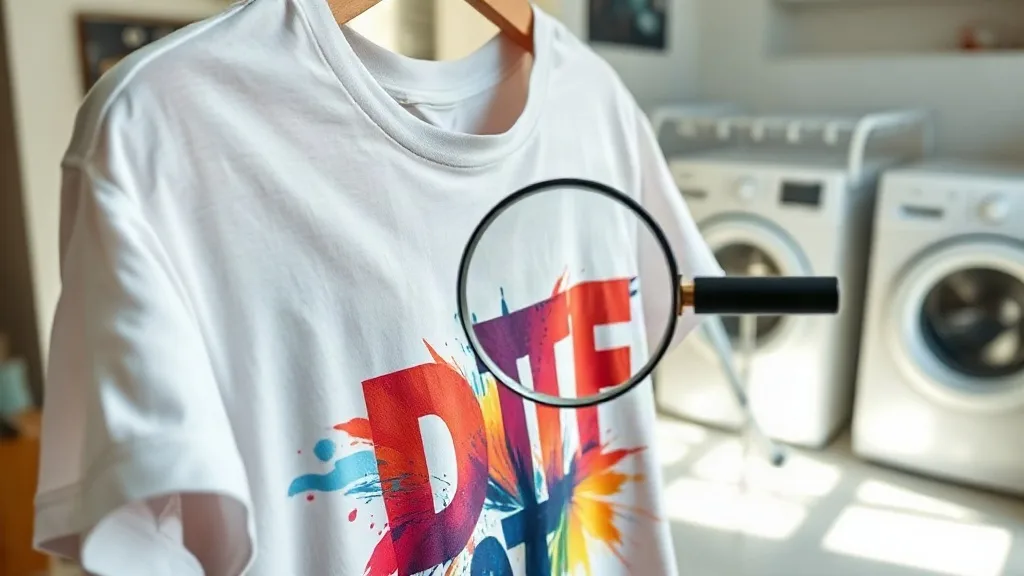
You have just pressed a vibrant dtf transfers onto a customer's shirt, and it looks perfect. But will it still look that way after ten trips through the washing machine? For print shops and crafters, durability is the ultimate test of quality. In this guide, we will explore the science behind wash testing, share practical methods to evaluate your prints, and reveal tips to make your dtf transfers last longer than ever.
Why Wash Testing Matters for DTF Transfers
DTF printing has revolutionized custom apparel with its ability to produce full-color, detailed designs on a wide range of fabrics. However, the true measure of a successful transfer is how it holds up in real-world conditions. A print that cracks, fades, or peels after a few washes leads to dissatisfied customers and costly reprints. Wash testing simulates the wear and tear of everyday use, giving you valuable insights into the adhesion, flexibility, and colorfastness of your transfers.
The Science Behind Adhesion
DTF transfers rely on a thermoplastic polyurethane (TPU) film that bonds to the fabric under heat and pressure. The quality of this bond depends on several factors: the ink formulation, the powder application, the pressing parameters, and the fabric type. Wash testing helps you identify weak points in your process. For instance, if the powder is not fully melted, the transfer may peel after a few washes. If the pressing temperature is too low, the adhesive may not penetrate the fibers adequately.
Common Failure Modes
When a DTF transfer fails, it usually does so in one of three ways: peeling, cracking, or fading. Peeling often results from insufficient pressure or uneven heat distribution. Cracking can occur if the transfer is stretched beyond its elasticity or if the ink film is too thick. Fading is typically caused by exposure to harsh detergents or high heat during washing and drying. Understanding these failure modes is the first step toward preventing them.
How to Perform a Wash Test at Home or in Your Shop
You do not need a laboratory to conduct a meaningful wash test. With a few simple steps, you can replicate the effects of repeated washing and evaluate your prints objectively. Here is a step-by-step method to get started.
Step-by-Step Wash Test Protocol
- Prepare test samples: Print identical designs on the same fabric using your standard DTF process. Include a control sample that will not be washed for comparison.
- Document initial state: Take clear photos of each sample under consistent lighting. Note any minor imperfections.
- Wash and dry cycles: Wash the samples in a home washing machine using a standard detergent. Use a normal cycle with warm water (around 40°C). Tumble dry on low heat or hang dry. Repeat for a set number of cycles, such as 10, 20, or 30.
- Evaluate after each cycle: After every few cycles, inspect the prints for peeling, cracking, or color loss. Take photos to track changes.
- Compare and analyze: At the end of the test, compare the washed samples to the control. Note any differences in adhesion, elasticity, and color vibrancy.
This protocol provides a reliable way to gauge the durability of your DTF transfers. For more accurate results, you can also use standardized testing methods such as AATCC or ISO wash tests, but the home method is sufficient for most small shops.
Tools That Can Help
While not strictly necessary, a few tools can enhance your wash testing:
- Lightbox: For consistent photo documentation.
- Colorimeter: To measure color changes objectively.
- Adhesion tester: A simple cross-hatch cutter and tape can assess adhesion strength.
These tools are optional but can provide more precise data if you are troubleshooting a persistent issue.
Factors That Affect DTF Transfer Durability
Several variables influence how well your DTF transfers withstand washing. By controlling these factors, you can significantly improve the longevity of your prints.
Ink and Powder Quality
The quality of your DTF ink and adhesive powder is paramount. Low-grade inks may not cure properly, leading to poor adhesion and color fading. Similarly, the powder must be evenly applied and fully melted during the pressing stage. Invest in reputable supplies from trusted vendors to ensure consistent results.
Pressing Parameters
Temperature, pressure, and time are critical. Each fabric and transfer type may require slight adjustments. Always follow the manufacturer's recommendations and use a heat press with accurate temperature control. A common mistake is pressing at too low a temperature, which prevents the adhesive from fully activating. Conversely, excessive heat can scorch the fabric or cause the transfer to become brittle.
Fabric Type and Preparation
Different fabrics interact differently with DTF transfers. Cotton and cotton blends are generally the most forgiving, while synthetic fabrics like polyester may require lower temperatures to avoid melting. Proper fabric preparation is also key: pre-press the garment to remove moisture and wrinkles, and ensure the surface is clean and free of lint.
Washing and Drying Conditions
Even the best transfer can be ruined by harsh washing. Advise your customers to turn garments inside out, use mild detergent, and avoid bleach and fabric softeners. High heat in the dryer is a common culprit for cracking and peeling. Recommend air drying or using the lowest heat setting.
Tips to Extend the Life of Your DTF Prints
Beyond wash testing, there are several proactive steps you can take to maximize the durability of your DTF transfers.
Optimize Your Pressing Technique
Ensure your heat press is evenly calibrated. Use a infrared thermometer to verify the platen temperature. Press with firm, even pressure, and consider using a pressing pillow for irregular garments. Always peel the transfer film cold for the best adhesion.
Choose the Right Transfer for the Fabric
Not all DTF transfers are created equal. Some are formulated for stretchy fabrics, while others are better for rigid materials. If you are unsure, test a small sample before committing to a large order.
Educate Your Customers
Provide care instructions with every purchase. A simple tag or insert can make a big difference. Encourage customers to wash garments inside out in cold water and avoid ironing directly over the print.
Store Transfers Properly
Unused DTF transfers should be stored in a cool, dry place away from direct sunlight. Humidity can affect the adhesive powder, so keep them in a sealed bag if possible.
For those looking to source high-quality dtf transfers near me, Harwin DTF offers a range of options that are rigorously tested for durability. Their transfers are known for their vibrant colors and long-lasting performance, making them a favorite among print shops.
Frequently Asked Questions
How many washes should a DTF transfer typically last?
A high-quality DTF transfer applied correctly can withstand 50 or more washes without significant fading or peeling. However, this depends on the fabric, washing conditions, and the quality of the transfer itself. Proper care can extend the life even further.
Can I wash a DTF-printed shirt in hot water?
It is not recommended. Hot water can weaken the adhesive and cause the print to crack or peel. Always use cold or warm water (up to 40°C) and mild detergent.
What should I do if my DTF transfer starts to peel after washing?
If peeling occurs, it may be due to insufficient pressure during application or improper washing. Try re-pressing the transfer with a heat press or iron (using a protective sheet) to reactivate the adhesive. If the problem persists, consider adjusting your pressing parameters or switching to a higher-quality transfer.
Are DTF transfers more durable than screen prints?
Both methods have their strengths. DTF transfers excel on complex designs and small batches, and when applied correctly, they can be just as durable as screen prints. However, screen prints may have an edge on very stretchy fabrics. The key is proper application and care.
How can I test the durability of DTF transfers without a washing machine?
You can simulate washing by soaking the printed fabric in warm water with detergent for 30 minutes, then agitating it gently. Rinse and dry. Repeat several times. This method is not as thorough as machine washing but can give a quick indication of adhesion and colorfastness.