
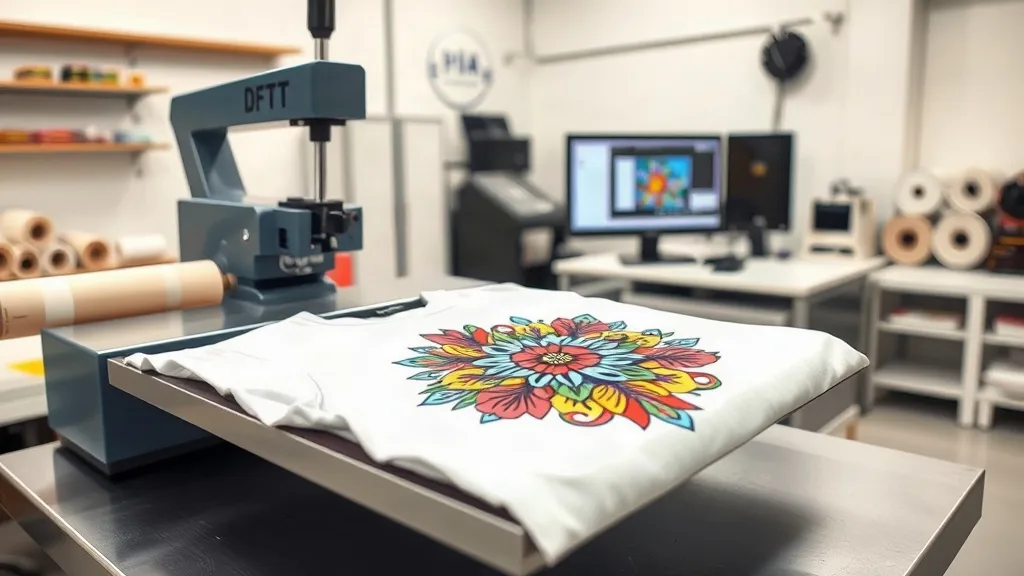
If you have ever wanted to print vibrant, detailed designs on t-shirts, hoodies, or tote bags without the hassle of screen printing or the limitations of vinyl, dtf transfers might be exactly what you need. Direct-to-film printing is quickly becoming the go-to method for small businesses, crafters, and anyone who wants professional-looking custom apparel. In this guide, we will walk you through what DTF transfers are, how they work, and how you can use them to bring your creative ideas to life.
What Are DTF Transfers?
DTF transfers are a type of heat-applied transfer that uses a special film and powder adhesive to bond ink to fabric. Unlike traditional screen printing, which requires separate screens for each color, DTF printing starts with a digital design that is printed onto a PET film using specialized inks. A fine layer of hot-melt powder is then applied to the wet ink, and the film is cured. When you are ready to apply the design, you simply place the transfer on your garment and press it with a heat press. The result is a soft, stretchable, and durable print that can be applied to almost any fabric, including cotton, polyester, blends, and even leather.
Why Choose DTF Transfers Over Other Printing Methods?
There are several reasons why DTF transfers have gained popularity among both hobbyists and professionals. Here are some key advantages:
- No color limitations: DTF printing uses CMYK and white inks, so you can print full-color, photographic designs without worrying about color separation or screen counts.
- Works on many fabrics: Unlike vinyl, which adheres best to cotton, DTF transfers bond well to polyester, nylon, and blends, making them ideal for sportswear and performance gear.
- Soft feel and stretch: The prints are thin and flexible, so they do not crack or peel easily, even after repeated washing.
- Cost-effective for short runs: Since there are no screens or setup fees, DTF is perfect for one-off projects or small batches.
- Easy to store and ship: Transfers are lightweight and can be stored for months, allowing you to print on demand.
How to Apply DTF Transfers Step by Step
Applying a DTF transfer is straightforward, but following the right steps ensures a professional finish. Here is a simple process you can follow at home or in your shop.
Step 1: Prepare Your Workspace
Set up your heat press on a stable surface and preheat it to the recommended temperature. Most DTF transfers require a temperature between 325°F and 375°F (160°C to 190°C). Always check the instructions that come with your transfers, as different films may have specific requirements. Also, make sure your garment is clean, dry, and free of wrinkles.
Step 2: Position the Transfer
Place the garment on the heat press platen. If you are using a heat press with a lower platen, you might want to pre-press the garment for a few seconds to remove moisture. Then, position the DTF transfer with the printed side facing up. If your design has a white layer, it will be on the back of the film; the printed side should face the fabric. Use heat-resistant tape if needed to keep the transfer in place.
Step 3: Press the Transfer
Cover the transfer with a Teflon sheet or parchment paper to protect your heat press. Apply medium to heavy pressure for 10 to 15 seconds. The exact time can vary, so start with 12 seconds and adjust as needed. After pressing, allow the transfer to cool completely before peeling. This is called a cold peel, and it is crucial for DTF transfers because peeling while hot can cause the design to distort or the adhesive to separate.
Step 4: Peel and Finish
Once the transfer has cooled down, slowly peel away the film. The design should remain on the fabric. If you notice any areas that did not transfer, you can re-press for a few seconds. For added durability, you can press the design again with a Teflon sheet for another 5 seconds. This second press helps the adhesive fully bond with the fabric.
Common Mistakes to Avoid with DTF Transfers
Even though DTF is forgiving, a few missteps can ruin your project. Watch out for these common issues:
- Pressing at the wrong temperature: Too hot and the film may curl or the ink may scorch; too cold and the adhesive won't activate.
- Peeling too soon: Always wait for the transfer to cool. Patience is key.
- Insufficient pressure: Without enough pressure, the design may not adhere properly, leading to premature peeling.
- Not pre-pressing the garment: Moisture in the fabric can create steam and interfere with the bond.
- Using the wrong film: Not all DTF films are created equal. Choose a reputable supplier like dtf transfers for consistent results.
Design Tips for Stunning DTF Prints
To get the most out of your DTF transfers, consider these design tips:
- Use high-resolution images: DTF printing captures fine details, so start with at least 300 DPI.
- Add a white underbase: If printing on dark fabrics, include a white layer in your design file. Most DTF software does this automatically, but double-check.
- Avoid very thin lines: Extremely fine lines may not hold up well. A minimum line width of 1 point is safer.
- Test on scrap fabric: Before pressing onto your final garment, do a test run to ensure the colors and size look right.
Frequently Asked Questions About DTF Transfers
How long do DTF transfers last?
With proper application and care, DTF transfers can last as long as the garment itself. They are resistant to cracking, peeling, and fading, even after many washes. To extend their life, wash the garment inside out in cold water and avoid using bleach or fabric softeners.
Can I use DTF transfers on dark colors?
Absolutely. DTF transfers include a white ink layer that acts as a base, so the colors remain vibrant on dark fabrics. This is one of the biggest advantages over other printing methods.
Do I need a special printer for DTF?
Yes, DTF printing requires a printer that uses DTF inks and a RIP software to manage the white layer. However, you can also buy pre-printed transfers from suppliers and apply them with just a heat press.
What is the best temperature for DTF transfers?
The ideal temperature range is 325°F to 375°F (160°C to 190°C). Always follow the instructions provided by your transfer supplier, as different films may have specific requirements.
Can I stretch DTF prints?
Yes, DTF prints are stretchable, making them suitable for athletic wear and stretchy fabrics. The ink and adhesive move with the fabric without cracking.
Final Thoughts
DTF transfers offer a versatile, cost-effective, and high-quality solution for custom apparel printing. Whether you are a small business owner looking to expand your product line or a hobbyist wanting to create personalized gifts, DTF technology empowers you to print intricate designs on a wide range of materials. With the right supplies and a bit of practice, you can achieve professional results right from your home studio. So why not give DTF transfers a try? Your next custom creation could be just a press away.