
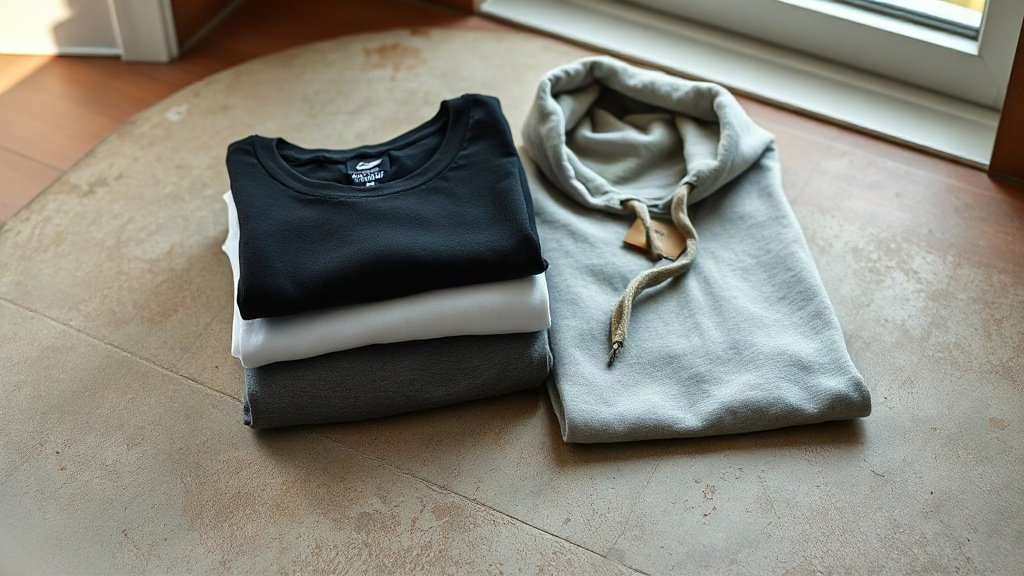
Walk into almost any screen-printing shop or streetwear boutique in Southern California and you will spot them: stacks of folded tees with a small woven label, thick fabric, and a price tag that seems almost too reasonable. That is shaka wear, a Los Angeles label that quietly became one of the most reliable blanks in the business. It is not a hype brand. It does not chase drops or collaborate with celebrities every season. Instead, it built a following the old-fashioned way, by making heavyweight cotton basics that hold up after twenty washes and cost less than a lunch in most cities.
If you have ever wondered why so many custom shirts, work uniforms, and skate videos feature the same tag, this guide breaks down what the brand actually offers, how the sizing runs, and where it fits into a modern wardrobe.
What Shaka Wear Actually Is
Shaka wear started as a wholesale-focused apparel company based in Los Angeles. The name references the shaka sign, the friendly hand gesture associated with surf culture and Hawaii. That origin matters, because it hints at the brand's overall philosophy: relaxed, approachable, and built for people who spend time outdoors or on their feet.
The catalog is not complicated. It centers on a handful of core categories:
- Heavyweight t-shirts, generally in the 6 to 7 ounce range, which is noticeably thicker than the 4 to 5 ounce shirts sold at most fast-fashion chains
- Hoodies and crewnecks with fleece linings that survive regular wear
- Workwear-inspired pieces such as long-sleeve tees, thermals, and pocket tees
- Hats, beanies, and accessories that follow the same understated design language
Nothing here is trying to be avant-garde. The appeal is consistency. When you order a size large in one color, the next color in the same size will fit the same way, which is a bigger deal than it sounds if you have ever ordered blanks from multiple suppliers.
Why the Fabric Weight Matters More Than the Logo
Most people do not think about fabric weight until they hold a shirt that feels different. A standard promotional tee often weighs around 4.3 ounces per square yard. A shaka wear tee typically sits higher, and that difference shows up in three practical ways.
1. It holds its shape
Lighter cotton tends to stretch at the collar and lose structure after a few months. Heavier cotton keeps its shoulder line and neckline much longer, especially if you wash cold and dry on low heat.
2. It prints better
This is the reason screen printers keep the brand in stock. A thicker, tighter knit gives plastisol and water-based inks a smoother surface, so designs come out with cleaner edges and less bleed. If you have ever run a small print shop or ordered custom merch for an event, you know that blank quality is half the final product.
3. It layers without bulk
Counterintuitive as it sounds, a heavier tee often layers better than a thin one because it drapes instead of clinging. It sits flat under a flannel, a work jacket, or an overshirt.
How the Sizing Actually Runs
This is the question that comes up most often, and the honest answer is that shaka wear runs closer to traditional American sizing than to the slim, tapered cuts popular with European brands. A few practical notes:
- T-shirts: If you normally wear a medium in a department store brand, a medium here will fit similarly, though the body is slightly boxier through the torso.
- Hoodies: They tend to run roomy. If you want a fitted look, consider sizing down one.
- Long sleeves: Sleeve length is generous, which is helpful for taller wearers but may require a cuff roll for shorter frames.
- After washing: Expect minimal shrinkage if you follow the care tag. Hot water and high heat will shrink cotton, regardless of brand.
One tip from experience: measure a shirt you already like, flat on a table, and compare those numbers to the brand's size chart rather than guessing. It takes two minutes and saves a return.
Where Shaka Wear Fits in a Modern Wardrobe
The brand occupies a useful middle ground. It is not luxury, and it is not disposable fast fashion. That makes it a strong choice for several specific situations.
Everyday basics
A plain heavyweight tee in black, white, or heather grey can anchor a casual outfit with almost anything: denim, chinos, fatigue pants, or shorts. Because there is no loud branding, the shirt does not fight with the rest of your clothes.
Work and trade use
Painters, mechanics, landscapers, and warehouse crews tend to favor thicker cotton because it handles abrasion better than thin fabric. The pocket tees in particular get used heavily in trades where a phone or pen needs a home.
Custom and small-batch projects
If you run a band, a skate crew, a restaurant, or a small brand, ordering blanks from a consistent supplier keeps your product quality stable across runs. Switching blank brands mid-project is one of the fastest ways to end up with inconsistent sizing complaints.
Care Tips That Extend the Life of Heavyweight Cotton
Heavy cotton is durable, but it is not indestructible. A few habits make a real difference:
- Wash inside out in cold water to reduce friction on the print and the surface fibers.
- Skip fabric softener, which coats cotton fibers and can make them feel slick over time.
- Dry on low or hang dry. High heat is the main cause of shrinkage and collar warping.
- Fold rather than hang heavier knits, since hangers can stretch the shoulders over months.
Follow those four steps and a well-made tee can easily last several years of regular rotation, which changes the real cost per wear considerably.
Is It Worth Buying?
For anyone who values fabric weight, consistent sizing, and a price point that does not require a second thought, yes. shaka wear is not trying to be a fashion statement on its own. It is the foundation that lets everything else work: the plain tee under a jacket, the hoodie on a cold morning, the work shirt that survives a long week. That reliability, more than any marketing campaign, is why the label keeps showing up on job sites, in print shops, and on the street.
Frequently Asked Questions
Does Shaka Wear run true to size?
For t-shirts, most people find it close to standard US sizing, with a slightly boxier torso. Hoodies run roomier, so sizing down is common if you prefer a closer fit. Always check the specific product's size chart, since measurements can vary slightly between styles.
Is Shaka Wear good for screen printing?
Yes. The heavier cotton knit gives ink a smooth surface, which helps produce cleaner edges and more durable prints. This is one of the main reasons print shops keep it stocked as a house blank.
How much does a Shaka Wear t-shirt shrink after washing?
With cold water and low heat drying, shrinkage is usually minimal, often under a few percent. Hot water and high heat drying will cause more noticeable shrinkage, as with any cotton garment.
Where is Shaka Wear made?
The brand is headquartered in Los Angeles and is known for its California roots. Check the individual garment label for country of manufacture, as production details can vary by product line.
Is Shaka Wear considered streetwear or workwear?
It sits in both worlds. The simple cuts and lack of loud branding make it a streetwear staple, while the fabric weight and durability make it practical for trade and work use. That overlap is a big part of its appeal.