
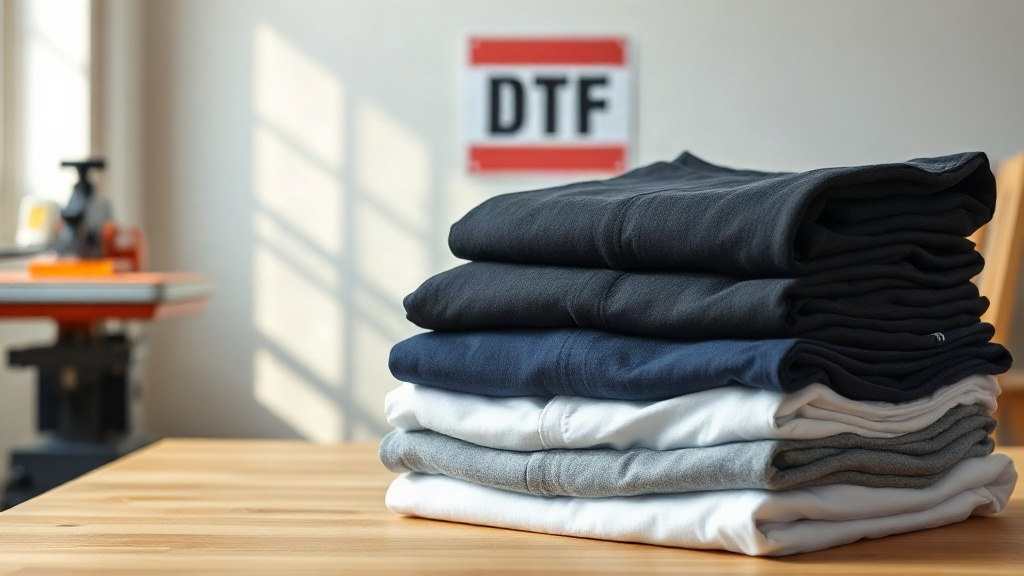
When you're creating custom apparel, the foundation of your design is the garment itself. For screen printers, DTF transfer enthusiasts, and anyone in the custom clothing business, choosing the right blank is crucial. Among the many options, Shaka Wear has carved out a reputation for delivering consistent quality and a fit that appeals to modern consumers. In this guide, we'll dive deep into what makes Shaka Wear a standout choice, how to work with their fabrics, and tips to ensure your prints look their best.
Why Shaka Wear Stands Out in the Blank Apparel Market
Shaka Wear, a brand under the umbrella of Shaka Apparel, has been making waves since its inception. Known for its heavyweight cotton tees and streetwear-inspired fits, the brand caters to a demographic that values both comfort and style. But what exactly sets Shaka Wear apart from the countless other blank suppliers? It comes down to a few key factors: fabric weight, construction, and consistency.
Many printers have experienced the frustration of inconsistent sizing or fabric quality from batch to batch. Shaka Wear addresses this by maintaining strict quality control. Their tees, for example, often feature 100% cotton with a weight of around 5.5 to 6.5 ounces, providing a substantial feel that customers love. This heavyweight fabric not only feels premium but also holds up well to repeated washing and wear, making it ideal for both retail and promotional markets.
Fabric Quality and Construction
When you pick up a Shaka Wear garment, the first thing you'll notice is the heft. Their classic tee, for instance, is made from 100% ring-spun cotton, which offers a softer hand feel compared to standard open-end cotton. Ring-spun cotton also takes screen printing and DTF transfers exceptionally well because of its smoother surface. The tighter knit reduces the chance of print distortion, allowing for crisp lines and vibrant colors.Construction details matter too. Shaka Wear typically uses double-needle stitching on hems and sleeves, which enhances durability. Shoulder-to-shoulder taping prevents stretching at the neckline, a common issue with cheaper blanks. These small details add up to a garment that can withstand the rigors of daily wear and frequent laundering, which is a significant selling point for your customers.
Fit and Sizing: What to Expect
Shaka Wear is known for its modern, slightly boxy fit. Their tees often have a relaxed silhouette that's trendy in streetwear and urban fashion. However, it's essential to check the specific style because fits can vary. For example, the Shaka Wear Heavyweight Tee tends to run true to size with a roomy feel, while their Hoodies might have a more standard fit. Always consult the size chart provided by your supplier, and if possible, order samples to gauge the fit before committing to a large order.
One tip from experienced printers: if you're used to brands like Gildan or Bella+Canvas, Shaka Wear may feel different in sizing. Their medium could be comparable to a large in some other brands, so communication with your customers about sizing is key. Offering a size chart on your product pages can reduce returns and increase satisfaction.
Printing on Shaka Wear: Best Practices for DTF and Screen Printing
Now that we've covered the basics, let's get into the nitty-gritty of decorating Shaka Wear blanks. Whether you're using DTF transfers, screen printing, or even embroidery, the quality of the blank can significantly impact your final product. Here's how to get the best results.
Preparing the Garment
Before printing, always pre-press the garment to remove moisture and wrinkles. This step is crucial for DTF transfers because any moisture can cause the transfer to peel or crack. Set your heat press to around 300°F (150°C) and press for 5-10 seconds. This also helps to smooth the fabric, ensuring the transfer adheres evenly.
For screen printing, a pre-press is equally important to create a flat surface. Shaka Wear's heavyweight cotton may require a bit more pressure to flatten the fibers, but once pressed, it provides a stable base for your screens.
DTF Transfer Application on Shaka Wear
DTF (Direct to Film) transfers are a game-changer for printing detailed designs on cotton. When applying to Shaka Wear, follow these steps:
- Temperature: Set your heat press to 325°F (160°C).
- Pressure: Use medium to high pressure (around 4-6 bars).
- Time: Press for 15-20 seconds.
- Peel: Wait for the transfer to cool completely before peeling (cold peel). This prevents the design from stretching or cracking.
After peeling, a second press for 5-10 seconds with a Teflon sheet can enhance durability. Shaka Wear's tight knit means the DTF powder adheres well, resulting in a soft hand feel and vibrant colors.
Screen Printing Tips for Shaka Wear
Screen printing on Shaka Wear is straightforward, but the heavyweight fabric may require some adjustments. Use a higher mesh count for finer details, and consider using a platen adhesive to keep the garment in place. Because the fabric is thicker, you might need to adjust your off-contact distance and squeegee pressure. A good rule of thumb is to do a test print on a scrap piece to dial in your settings.
Plastisol inks work well, but if you prefer water-based inks, note that Shaka Wear's cotton is absorbent, so you may need to use a higher ink deposit or a discharge additive for brighter colors. Always cure according to the ink manufacturer's recommendations to ensure washability.
Comparing Shaka Wear to Other Popular Blank Brands
How does Shaka Wear stack up against the competition? Let's compare it to a few common alternatives:
- Gildan 5000: Gildan is known for its affordability, but the fabric is lighter (5.3 oz) and has a more standard fit. Shaka Wear offers a heavier, more premium feel at a slightly higher price point.
- Bella+Canvas 3001: Bella+Canvas is popular for its soft, retail-fit tees. However, Shaka Wear tends to be more durable and has a boxier, streetwear vibe that appeals to a different audience.
- Next Level 3600: Next Level is known for its fashion-forward fits and softness, but Shaka Wear often wins on fabric weight and longevity.
Ultimately, the choice depends on your target market. If you're catering to streetwear brands or customers who value durability, Shaka Wear is a strong contender. For budget-focused projects, other brands might be more suitable.
Where to Buy Shaka Wear Blanks
Shaka Wear blanks are available through various wholesale distributors and online retailers. Some popular options include:
- Shaka Apparel's official website (for bulk orders)
- Jiffy Shirts
- Blankstyle
- Apparel Zoo
Prices vary based on quantity and style, but expect to pay around $5-$10 per tee for wholesale orders. Always request samples to ensure the quality meets your standards. At DTF Concept, we often recommend Shaka Wear to our customers because it consistently delivers great results with DTF transfers.
Frequently Asked Questions About Shaka Wear
Is Shaka Wear true to size?
Shaka Wear generally runs true to size, but their fit is relaxed and slightly boxy. If you prefer a more fitted look, consider sizing down. Always check the specific style's size chart, as fits can vary between products.
Can I use DTF transfers on Shaka Wear hoodies?
Absolutely. DTF transfers work well on Shaka Wear hoodies, which are typically made of a cotton-poly blend. Adjust your heat press settings for blends: lower the temperature to around 300°F (150°C) and reduce pressure to medium. Always do a test press to ensure compatibility.
How does Shaka Wear hold up after washing?
Shaka Wear garments are known for their durability. The heavyweight cotton and reinforced stitching help them maintain shape and color after multiple washes. To prolong the life of your prints, turn the garment inside out and wash in cold water, then tumble dry low.
What is the best way to remove wrinkles from Shaka Wear before printing?
Use a heat press or an iron on a low setting to remove wrinkles. Pre-pressing the garment for a few seconds before printing is usually sufficient. Avoid using steam, as moisture can interfere with DTF transfer adhesion.
Are Shaka Wear blanks suitable for embroidery?
Yes, Shaka Wear's sturdy fabrics are excellent for embroidery. The heavyweight cotton provides a stable base that prevents puckering. Use a cutaway stabilizer for best results, especially on stretchy blends.
By now, you should have a solid understanding of Shaka Wear and how to make the most of these blanks in your printing projects. Whether you're a seasoned pro or just starting, Shaka Wear offers a reliable option that combines quality, style, and printability. Give them a try on your next order and see the difference for yourself.