
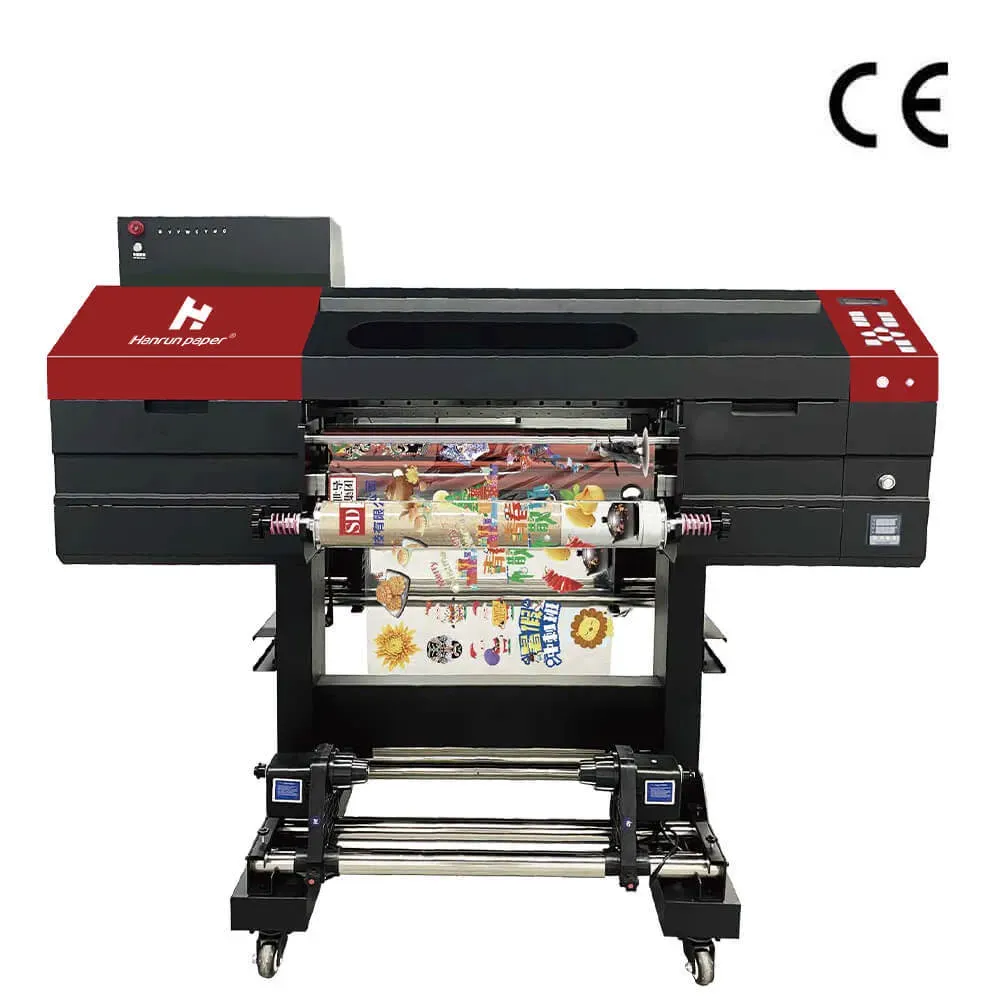
In the realm of modern printing technology, **UV DTF printing** stands out as a revolutionary advancement, streamlining processes and enhancing print quality across various industries. This innovative method harnesses ultraviolet light to cure ink onto film, allowing for vibrant, durable prints on a diverse range of surfaces, from textiles to metals. Unlike traditional printing techniques, which often involve cumbersome setups and lengthy processes, UV DTF printing offers a fast, efficient, and cost-effective solution for businesses aiming to produce high-quality designs with eco-friendly practices. With its impressive color output and adaptability, UV DTF technology has quickly gained popularity among entrepreneurs looking to stay ahead in a competitive market. As sustainability becomes a priority, the demand for environmentally friendly options like this one continues to grow.
Also known as ultraviolet direct-to-film printing, this cutting-edge printing solution is reshaping the landscape of the printing industry. By utilizing UV light for curing inks, it not only ensures remarkable color accuracy but also offers flexibility that traditional printing methods, such as screen printing and offset printing, often lack. This adaptability allows users to apply high-quality graphics on various materials without the extensive setup times usually associated with conventional printing techniques. Businesses are increasingly recognizing the potential of this eco-conscious printing technology, making it a viable alternative for cost-effective production in an era where personalization and quick turnaround times are in high demand. As the industry continues to evolve, UV DTF printing is poised to play a crucial role in addressing modern environmental concerns while providing exceptional print quality.
Understanding UV DTF Printing Technology
UV Direct-to-Film (DTF) printing represents a significant leap in printing technology, primarily characterized by its use of ultraviolet light to instantly cure inks as they are applied. This innovative approach facilitates vibrant, high-quality prints with exceptional detail and clarity. Unlike traditional methods that often require multiple steps and lengthy drying times, UV DTF achieves immediate results, making it ideal for businesses that prioritize efficiency and quick turnarounds.
As UV DTF continues to gain traction, its adaptive capabilities are becoming increasingly apparent. This technology can easily print on various surfaces, including hard materials and fabrics, expanding the potential market applications. Its versatility means businesses can tackle a wider range of projects without the need for extensive setup alterations, which is often a limitation in traditional printing techniques.
Comparing Durability Between UV DTF and Traditional Methods
When it comes to durability, UV DTF printing excels thanks to its advanced ink adhesion capabilities. The prints produced through this method are resistant to scratching and fading, making them suitable for outdoor use or products subjected to rough handling. This durability is a distinct advantage over many traditional printing methods, which may struggle with longevity, particularly on textured or irregular surfaces.
In contrast, traditional printing methods, while they can provide impressive output under specific conditions, often require careful consideration regarding materials and treatments. For instance, screen printing may not perform as well on certain fabrics without pre-treatment processes that can affect the overall integrity and longevity of the print. As businesses seek quality assurance in their printed products, the durability of UV DTF becomes a compelling selling point.
Cost Analysis: UV DTF vs. Traditional Printing
Cost considerations are crucial when evaluating printing methods, and UV DTF offers a unique perspective in this area. While the initial investment for UV DTF printers may exceed that of traditional setups, the long-term savings derived from reduced labor costs and minimal waste can significantly benefit small to medium-sized businesses. Efficiency in production translates to higher profit margins, especially in custom orders where quick turnaround times are imperative.
On the other hand, traditional printing can still retain a cost advantage for larger volume orders due to established mechanisms and supply chains that allow for reduced per-unit costs. However, as technology evolves, the initial cost barriers of UV DTF methods are diminishing, enabling a shift towards broader adoption – especially for businesses focused on personalized or short-run projects, where traditional methods may not be as economically viable.
Environmental Considerations of Printing Technologies
The push for sustainable practices is reshaping everything from consumer habits to business operations, and printing technologies are no exception. UV DTF printing generally embodies a more eco-friendly approach compared to traditional methods by utilizing UV inks that have lower volatile organic compound (VOC) emissions. This technological advancement not only meets modern standards for environmental responsibility but also appeals to consumers who prioritize sustainability in their purchasing decisions.
In contrast, traditional printing techniques often involve the use of harsh chemicals that can pose significant environmental risks during both the printing and disposal processes. As regulations tighten and public consciousness grows, traditional printers are increasingly pressured to adapt and innovate in a bid to lessen their environmental footprints. The move towards eco-conscious methods may determine future competitiveness in an industry where consumer preferences are leading toward sustainability.
Emerging Market Trends in UV DTF Printing
With the rise of personalization in consumer goods, UV DTF printing is positioning itself as a crucial player in the evolving marketplace. Recent industry reports suggest that as we approach 2025, demand for UV DTF is projected to surge due to its flexibility and efficiency in producing custom merchandise. Businesses are recognizing the technology's potential to provide unique and tailored products, which enhances customer engagement and fosters brand loyalty.
Additionally, as custom merchandise becomes increasingly popular, the ability to reduce waste through efficient printing practices elevates UV DTF's appeal. The market trend is leaning towards not only quality and customization but also towards methods that align with sustainable practices, creating a distinctive niche for UV DTF printers. Companies that effectively leverage these trends can dominate in sectors where personalized and environmentally responsible products are in high demand.
The Future of Printing: Adapting to Emerging Technologies
As the printing industry evolves, the integration of new technologies such as UV DTF printing is reshaping operational models across various sectors. Businesses that adapt quickly to these advancements can offer enhanced products and services that meet changing consumer expectations. It is essential for companies to stay informed about emerging printing technologies to understand how they can diversify their offerings while ensuring efficiency and quality.
Moreover, the constant advancement in printing technologies signifies a need for ongoing innovation in both UV DTF and traditional methods. The competitive landscape demands that businesses not only keep up with current trends but anticipate future developments in printing capabilities. Those who embrace innovation while being mindful of sustainability will likely lead the market, catering to an increasingly environmentally conscious consumer base.
Frequently Asked Questions
What are the main advantages of UV DTF printing over traditional printing methods?
UV DTF printing offers several advantages compared to traditional printing methods, such as screen printing and offset printing. It provides immediate curing and vibrant colors due to ultraviolet light technology. Additionally, UV DTF can print on various surfaces including textiles, plastics, and metals without sacrificing quality. This method is also more efficient for short runs and custom prints, making it a favorable choice for modern businesses.
How does UV DTF printing impact environmental sustainability compared to traditional printing?
UV DTF printing is generally considered more eco-friendly than traditional printing methods. It produces less waste and utilizes fewer harmful chemicals, with UV inks emitting significantly fewer volatile organic compounds (VOCs). As sustainability becomes increasingly important in the printing industry, UV DTF methods can help reduce the environmental impact associated with traditional printing practices.
Is UV DTF printing cost-effective for small businesses compared to traditional printing?
Yes, UV DTF printing is often more cost-effective for small to medium print runs compared to traditional printing. Although the initial investment in UV DTF printers may be higher, the technology reduces long-term operational costs through increased speed and lower labor costs. This enables businesses to minimize waste and maximize profits, particularly for personalized or short-order products.
What types of surfaces can be printed on using UV DTF printing technology?
UV DTF printing technology is versatile and can print on a wide variety of surfaces, including hard substrates like metals and plastics as well as flexible materials such as fabrics. This adaptability is a standout feature of UV DTF, making it easier for businesses to cater to different customer needs and applications compared to traditional printing methods.
How does the quality and durability of UV DTF prints compare to traditional prints?
UV DTF prints are known for their exceptional quality, vibrant colors, and durability. They exhibit high resistance to fading and scratching, making them ideal for products exposed to harsh conditions, such as outdoor signage or apparel. In contrast, traditional printing methods may face challenges with non-flat or textured surfaces, leading to varying durability depending on the materials and techniques used.
What market trends are influencing the growth of UV DTF printing technology?
Current market trends indicate a significant shift towards UV DTF printing due to its versatility and adaptability in producing customized merchandise and niche products. As consumers increasingly seek personalized offerings, UV DTF's efficiency and lower waste production align well with these demands. Reports suggest that by 2025, the adoption of UV DTF technology will continue to grow, driven by the need for sustainable and flexible printing solutions.
| Aspect | UV DTF Printing | Traditional Printing |
|---|---|---|
| Technology & Process | Utilizes ultraviolet light for immediate drying and vibrant colors; adapts to various substrates. | Established methods like screen printing; often includes lengthy setup times and higher waste. |
| Quality and Durability | Exceptional adhesion and resistance to fading/scratching; ideal for harsh conditions. | High-quality prints, but may struggle with non-flat surfaces and durability varies greatly. |
| Cost-Effectiveness | Higher initial costs but lower long-term operational costs; effectively reduces waste. | More advantageous for bulk orders, but costs are evolving with technology advancements. |
| Environmental Impact | More eco-friendly with less waste and fewer VOCs emitted. | Often uses toxic solvents and chemicals; requires adaptation to meet sustainability demands. |
| Market Trends | Increasing popularity for custom merchandise and niche products; aligns with personalization trends. | Established methods face pressure from emerging trends in customization and sustainability. |
Summary
UV DTF printing represents the cutting edge of printing technology, offering unique advantages over traditional printing methods. This innovative printing process utilizes ultraviolet light to cure inks, resulting in vibrant, high-quality prints that adhere exceptionally well to various substrates. As businesses increasingly prioritize efficiency, customization, and environmental responsibility, UV DTF printing has emerged as a more sustainable option, producing less waste and utilizing fewer hazardous materials. Its ability to cater to diverse needs and changing market trends positions UV DTF printing favorably as the printing industry continues to evolve.