
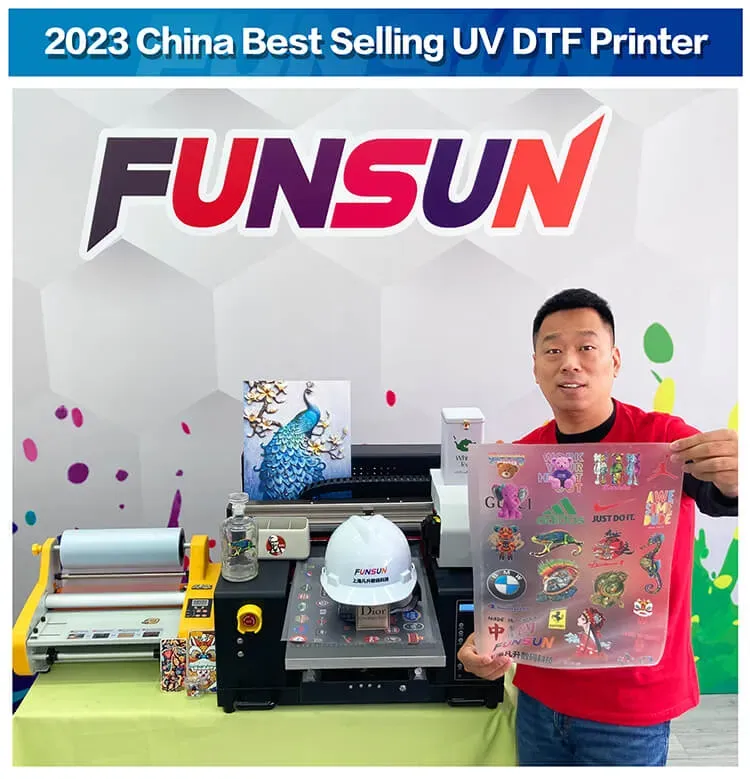
In the ever-evolving landscape of modern printing, **UV DTF printing** emerges as a revolutionary technology that seamlessly blends quality with sustainability. Standing for Ultra Violet Direct to Film printing, this innovative method offers significant advantages, particularly in its eco-friendly approach to producing vibrant prints. As industries increasingly prioritize sustainable practices, UV DTF printing positions itself as a key player by utilizing non-toxic printing inks and minimizing waste through precise application processes. Furthermore, its energy-efficient UV curing method not only enhances durability but substantially reduces the carbon footprint associated with traditional printing techniques. By integrating UV DTF printing, businesses can effectively engage in the sustainable printing technology movement, setting a precedent for the future of the printing industry.
Ultra Violet Direct to Film (UV DTF) printing represents a cutting-edge technique that is reshaping how businesses approach their printing needs. This advanced form of eco-friendly printing embraces sustainable practices while delivering high-quality results, making it a preferred choice for brands focused on environmental responsibility. Utilizing non-toxic inks and energy-efficient curing processes, UV DTF printing not only ensures vibrant colors but also aligns with the growing demand for sustainable printing solutions. As it caters to a wide array of applications, from textiles to promotional products, the technology stands as a testament to the future of the printing industry. Emphasizing the importance of eco-conscious decision-making, UV DTF printing is paving the way for more responsible manufacturing practices.
The Benefits of UV DTF Printing in Modern Manufacturing
UV DTF printing offers a myriad of advantages that make it pivotal in modern manufacturing processes. One of the most significant benefits is its ability to produce high-quality prints with vivid colors and intricate details. This is largely due to the use of UV-cured inks, which dry almost instantly when exposed to UV light, ensuring that production speed is not compromised. Additionally, this rapid curing process enhances efficiency, allowing manufacturers to meet urgent deadlines without sacrificing print quality.
Moreover, manufacturers can utilize UV DTF printing to save on costs associated with material waste. Traditional printing methods often contribute to excess inks and damaged prints, leading to significant financial losses. In contrast, UV DTF printing minimizes waste by allowing for precise application, which not only conserves resources but also contributes to a more sustainable manufacturing approach.
Understanding Eco-Friendly Printing Solutions
The rise of eco-friendly printing solutions is a direct response to consumers' increasing awareness of environmental issues. With the global focus on sustainability, many businesses are seeking methods that align with their commitment to reducing their carbon footprint. Eco-friendly printing solutions, such as UV DTF printing, play a crucial role in this transformation. These methods prioritize the use of non-toxic inks and energy-efficient processes that minimize environmental impact while maintaining print quality.
Additionally, the manufacturing of sustainable printed products is becoming integral to reputable branding. Consumers are more inclined to purchase from businesses that exhibit responsible environmental practices. By adopting eco-friendly solutions, companies can enhance their market position and appeal to a broader audience, showing that they are committed to both quality and sustainability.
The Technological Advancements Behind UV DTF Printing
The evolution of printing technology has paved the way for innovations like UV DTF printing. Unlike traditional methods that often involve slow and complex processes, UV DTF printing streamlines production through its sophisticated curing technique. By utilizing ultraviolet light, prints dry rapidly, which not only enhances efficiency but also results in sharper illustrations and color integrity. This technological leap forward represents a significant improvement over older printing practices.
Technological advancements in UV DTF printing also extend to software and digital design capabilities, allowing for increased customization options. Companies can now produce tailored products that cater to specific consumer needs without the extensive turnaround times associated with traditional printing. As the technology continues to advance, we can expect even greater precision and creativity in print design, further solidifying UV DTF printing's position as a leader in modern printing.
Sustainable Printing Technology and Its Impact on Industry
Sustainable printing technology is revolutionizing various sectors of the economy, particularly in how products are marketed and packaged. Adopting technologies like UV DTF not only aligns with corporate responsibility goals but also meets the growing demand for environmentally-friendly operations. Brands recognizing the importance of sustainability in their production processes can greatly benefit from increased consumer loyalty and trust.
The impact of sustainable printing solutions extends beyond individual companies; they contribute to a larger shift towards eco-conscious manufacturing standards across industries. By showcasing the advantages of UV DTF printing, businesses set a benchmark for efficiency and sustainability that can inspire industry-wide change. This ripple effect encourages others to adopt similar practices, boosting the overall shift towards a greener economy.
Non-Toxic Inks: A Game Changer for UV DTF Printing
One of the hallmark features of UV DTF printing is its use of non-toxic inks, which significantly reduces health risks for operators and the environment alike. These inks, often made from water-based or eco-solvent formulations, not only lessen harmful emissions but also enhance the safety of the printing process. The transition from traditional solvent-based inks to non-toxic options demonstrates a commitment to health and sustainability that is essential in today’s manufacturing landscape.
The availability of non-toxic inks has enabled printers to cater to a wider range of products, including those intended for fashion and home decor, where safety standards are critically important. This shift not only meets regulatory requirements but also supports ethical manufacturing practices that resonate with environmentally-conscious consumers. Such advancements in ink technology showcase the potential for UV DTF printing to lead the charge towards a fully sustainable and responsible printing industry.
The Future of UV DTF Printing: Trends and Innovations
Looking ahead, the future of UV DTF printing is bright as it continues to adapt and evolve with industry demands. The increasing interest in sustainable practices will likely drive further innovations in UV DTF technology, making it more accessible and efficient. As businesses strive to meet strict environmental regulations, UV DTF printing's combination of quality and eco-friendliness positions it as a frontrunner in the printing sector.
Additionally, advancements in digital printing technologies will continue to enhance the capabilities and applications of UV DTF printing across different industries. As more manufacturers recognize the benefits of sustainability, the adoption of eco-friendly printing methods will be pivotal in shaping the future of the printing industry. We can expect to see a proliferation of creative applications for UV DTF prints, solidifying its role as a key player in sustainable manufacturing.
Frequently Asked Questions
What are the advantages of UV DTF printing compared to traditional printing methods?
UV DTF printing offers numerous benefits over traditional methods, including reduced material waste by minimizing excess inks, the use of eco-friendly, non-toxic inks that lower environmental pollution, and energy-efficient UV curing that reduces operational costs. These advantages position UV DTF printing as a leader in sustainable printing technology.
How does UV DTF printing contribute to eco-friendly printing solutions?
UV DTF printing contributes to eco-friendly printing solutions through its use of non-toxic, water-based inks, energy-efficient curing processes, and the capacity to produce durable prints that minimize waste. This technology aligns well with growing demands for sustainable production methods in the printing industry.
What types of materials can be used with UV DTF printing?
UV DTF printing is versatile and can be applied to a wide range of materials, including textiles, plastics, and more. This adaptability allows businesses to utilize eco-friendly printing solutions across various products while maintaining high-quality output.
Are the inks used in UV DTF printing safe for the environment?
Yes, the inks used in UV DTF printing are typically non-toxic and eco-friendly, significantly reducing harmful pollutants such as volatile organic compounds (VOCs). This makes UV DTF printing a safer option for both workers and the environment, contributing to a sustainable future in the printing industry.
How does UV DTF printing support the future of sustainable manufacturing?
UV DTF printing supports the future of sustainable manufacturing by reducing carbon footprints through energy-efficient processes, utilizing recyclable materials, and employing eco-friendly inks. As demand for sustainable practices increases, this technology is at the forefront of eco-friendly printing solutions.
What industries are adopting UV DTF printing for eco-friendly practices?
Various industries, including fashion, packaging, and promotional items, are increasingly adopting UV DTF printing to meet sustainability goals. By leveraging this innovative technology, these sectors are demonstrating their commitment to eco-friendly practices while enhancing product quality.
| Key Points | Details |
|---|---|
| What is UV DTF Printing? | Specialized method for direct printing onto film using UV-cured inks. |
| Eco-Friendly Aspects | 1. Reduction of Material Waste: Minimizes waste through precision printing on film. 2. Use of Non-Toxic Inks: Eco-friendly inks reduce VOC emissions. 3. Energy Efficiency: UV curing requires less energy, lowering carbon footprint. 4. Durability: Highly durable prints resist fading and reduce need for replacements. 5. Recyclability: Compatible materials can often be recycled. |
| Industry Trends | Demand for eco-friendly printing solutions is increasing across various sectors. |
| Future of UV DTF Printing | Anticipated growth due to advancing technology and consumer demand for sustainability. |
Summary
UV DTF printing is revolutionizing the printing industry by offering eco-friendly solutions that align with modern sustainability goals. This innovative method not only enhances print quality but also significantly reduces environmental impact through its efficient use of resources and non-toxic materials. As businesses and consumers increasingly prioritize sustainability, UV DTF printing stands out as a key player in the transformation towards greener manufacturing practices. Its potential for durability, recyclability, and lower operating costs makes it an appealing choice for industries committed to reducing their carbon footprint. With ongoing technological advancements, UV DTF printing is poised for widespread adoption, promising a brighter future for eco-friendly printing.