
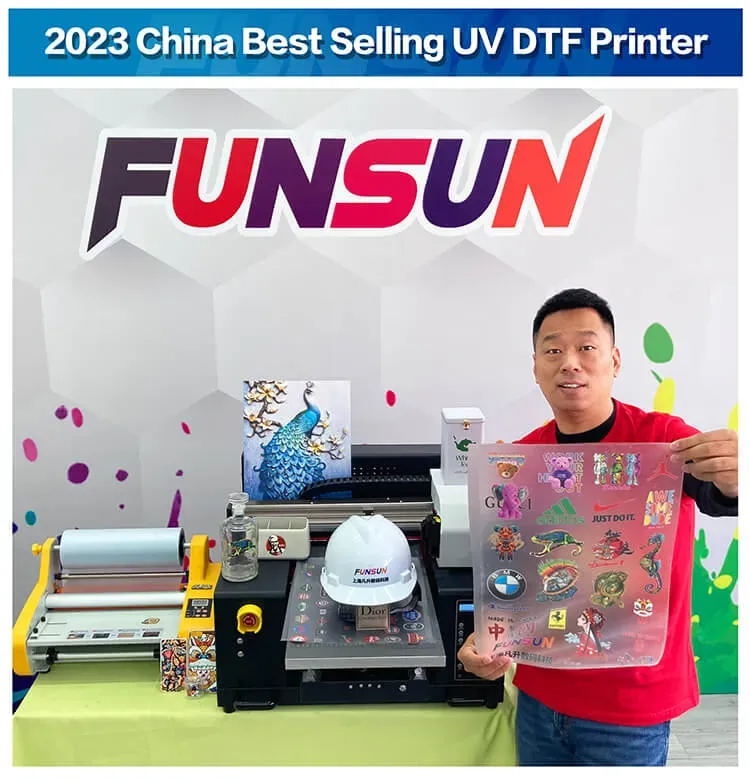
In the constantly evolving landscape of printing technologies, **UV DTF printing** has emerged as a notable player, revolutionizing how designs are transferred onto various materials. By merging the traditional techniques of DTF printing with the innovative process of UV curing, this method offers businesses and creatives an efficient way to produce vibrant and durable prints. Unlike conventional methods, such as traditional DTF, DTG (Direct to Garment) printing, and screen printing, UV DTF printing allows for quick turnaround times and a broad range of substrates. As we delve deeper into this comparison, we'll explore the unique features, advantages, and challenges of UV DTF printing relative to other printing methods, highlighting its potential as a frontrunner in modern printing solutions. Join us in understanding why UV DTF might be the ideal printing technology for your next project.
Also referred to as ultraviolet direct-to-film printing, UV DTF printing utilizes the advanced technology of UV light to cure inks instantly during the printing process. Unlike traditional DTF printing or DTG methods that require longer drying periods, this innovative approach facilitates a quicker production time while ensuring high-quality output on a diverse range of materials. This increasingly popular technique stands as a modern alternative in the realm of printing, providing solutions that align with today’s demand for speed and flexibility. By comparing UV DTF printing with its counterparts like screen printing and other traditional methods, we can uncover the unique strengths that make it a compelling choice for both large-scale productions and custom projects.
The Evolution of UV DTF Printing Technologies
UV DTF printing represents a significant advancement in printing technologies, merging the traditional strengths of DTF with cutting-edge UV curing processes. This evolution offers faster drying times and increased versatility, as UV inks can adhere to various substrates beyond fabrics, which is a limitation of many other printing methods. As businesses seek more efficient ways to produce high-quality prints quickly, UV DTF printing emerges as a frontrunner, catering to both small-scale and large-scale production needs.
Moreover, UV DTF's capability to produce vibrant prints that are highly durable and resistant to various environmental factors positions it as an ideal choice for outdoor applications. While traditional DTF printing and screen printing may struggle with longevity, particularly in harsh conditions, UV DTF's cured prints withstand the test of time and exposure, contributing to its growing popularity in sectors requiring resilience in their printed materials.
Frequently Asked Questions
What is UV DTF printing and how does it differ from traditional DTF printing?
UV DTF printing is an advanced method that utilizes ultraviolet light to instantly cure ink on transfer film, making it faster than traditional DTF printing, which relies on heat presses and longer drying times. This method offers versatility in substrate options and durability of prints.
How does UV DTF printing compare with DTG printing in terms of versatility?
Unlike DTG printing, which primarily works on cotton fabrics, UV DTF printing can print on a wide range of materials, including plastics and textiles, making it more versatile for various products and applications.
What are the cost implications of UV DTF printing versus screen printing?
While UV DTF printing generally requires a higher initial investment due to equipment costs, it may be more cost-effective in operational terms due to faster production speeds compared to screen printing, which is economical for large runs but has higher setup times.
What are the key advantages of UV DTF printing over traditional printing methods?
UV DTF printing offers several advantages, including quick drying times, superior print durability, versatility across different substrates, and eco-friendly ink options, making it a preferred choice for custom merchandise.
Is UV DTF printing suitable for high-volume production like screen printing?
Yes, UV DTF printing can be suitable for high-volume production as it allows for quick turnaround times and can handle various materials efficiently, positioning it as a competitive alternative to screen printing.
What trends are currently shaping the future of UV DTF printing?
Current trends in UV DTF printing include increased automation to boost production efficiency and advancements in ink technology, which are enhancing print quality and expanding the range of compatible substrates.
| Printing Method | Process Description | Advantages | Disadvantages |
|---|---|---|---|
| UV DTF Printing | Utilizes UV light to cure ink on transfer film, allowing for fast printing. | Versatile substrate options, quick turnaround times, durable prints, and eco-friendly inks. | High initial investment and a learning curve for operators. |
| Traditional DTF Printing | Involves printing on transfer films and heat pressing onto materials. | Produces high-resolution, colorful prints. | Requires long drying times, slowing down workflows. |
| DTG Printing | Directly applies inkjet technology to garments, ideal for detailed designs. | Excellent for detailed designs on cotton fabrics. | Limited material options, more expensive for bulk orders. |
| Screen Printing | Involves creating a stencil to apply ink, effective for large runs. | Cost-effective for bulk production and simple designs. | Labor-intensive setup, cumbersome for design changes. |
Summary
UV DTF printing represents a significant advancement in printing technology, combining efficiency with high-quality outputs. This innovative technique allows for rapid curing of ink on a range of materials, making it particularly appealing for businesses in need of versatile and durable printing solutions. With its quick turnaround times and ability to withstand environmental elements, UV DTF stands out as a prime choice for many applications. Despite some initial challenges, such as higher upfront costs and operator training, the long-term advantages of UV DTF printing in terms of durability and eco-friendliness position it as a frontrunner in the evolving printing landscape.