
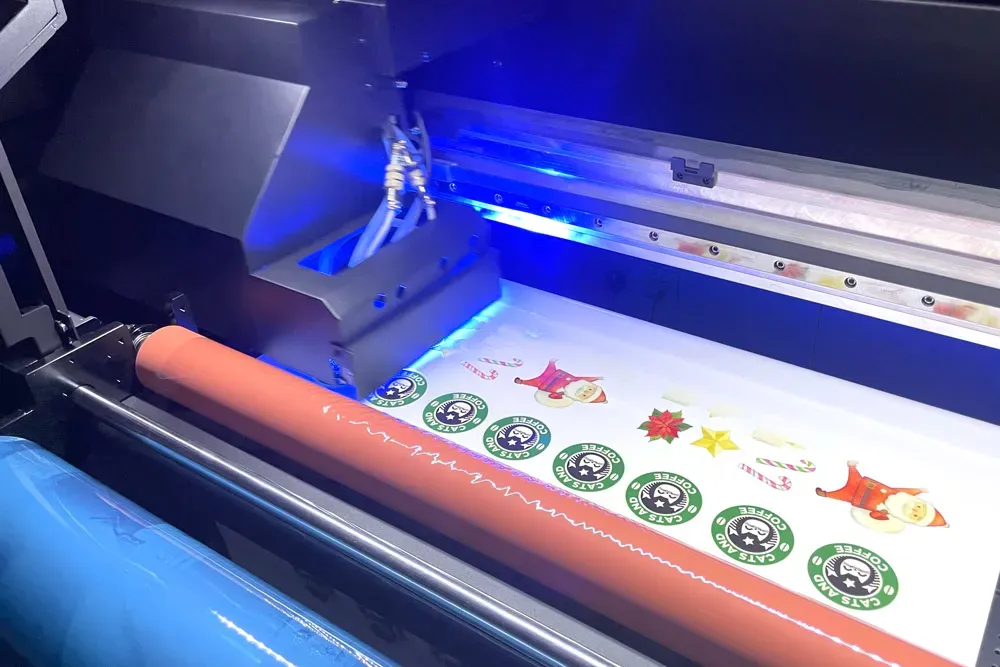
In the rapidly evolving world of custom printing, UV DTF (Direct to Film) printing stands out as a revolutionary technique that combines the exceptional capabilities of UV ink technology with the precision of direct-to-film methods. This innovative printing solution allows creators and businesses to print intricate designs on various materials, from plastics to wood, ensuring vibrant and durable results. What makes UV DTF printing especially appealing is its quick and efficient production process, which caters to the growing demand for personalized products and unique custom designs. By harnessing the power of UV printing techniques, users can achieve high-quality prints that are not only visually striking but also remarkably resilient to everyday wear and tear. As we delve deeper into this guide, you'll discover the essential tools, advantages, and step-by-step processes involved in mastering UV DTF printing, empowering you to step confidently into the world of advanced printing solutions.
UV DTF printing, also known as Direct to Film printing, represents a groundbreaking approach within the realm of modern printing technologies. This method leverages UV ink technology to produce stunning designs on a wide range of surfaces, allowing for unprecedented versatility and creativity. By utilizing specialized transfer films, artists and businesses alike can explore endless customization options to meet their unique printing needs. The ability to print on various materials not only enhances the product offerings but also attracts customers seeking tailored solutions. Throughout this guide, we will explore how this innovative printing technique can elevate your projects and business capabilities, ensuring you are well-equipped to take advantage of this exciting opportunity.
Understanding UV DTF Printing Technology
UV DTF printing combines traditional Direct to Film printing and innovative UV curing technology, which facilitates high-quality prints onto a variety of surfaces. This method relies on advanced UV ink technology that is specially formulated to adhere to non-porous materials like plastics, metals, wood, and glass. Unlike conventional printing methods, where inks can be absorbed or spread out, UV DTF printing maintains the vibrancy and detail of the design, producing eye-catching imagery suitable for commercial and artistic applications.
The unique capability of UV DTF printing allows for flexibility in design, enabling users to print intricate graphics on materials that are otherwise challenging to work with. This has opened up numerous opportunities for businesses aiming to add personalized touches to their products. Artists can leverage this technology to expand their creative boundaries, as it allows for experimentation with various textures and surfaces, producing prints that are both unique and customized.
Benefits of UV DTF Printing Over Traditional Methods
One of the standout advantages of UV DTF printing is its unmatched durability compared to traditional printing techniques. UV cured inks provide a robust finish that is resistant to scratches, water, and fading. This resilience makes them ideal for items that will see frequent handling or exposure to the elements, such as outdoor signage or wearable merchandise. Businesses benefit from knowing their products will withstand wear over time, increasing customer satisfaction.
In addition to durability, the rapid curing process of UV DTF printing significantly reduces production time. As UV inks cure instantly under ultraviolet light, businesses can quickly fulfill large orders without the need for lengthy drying times. This efficiency means that companies can turn around customer orders faster, optimizing workflow and boosting profit margins. Ultimately, the combination of durability and rapid production makes UV DTF printing a competitive choice for businesses looking to thrive in a fast-paced market.
Key Equipment Needed for UV DTF Printing
Starting your venture into UV DTF printing requires specific equipment that is tailored to your production needs. Investing in a high-quality UV DTF printer is essential, with brands like Mimaki, Roland, and Epson leading the market with reliable options. These printers are designed to accommodate both flat and uneven materials, allowing for a wider range of printing applications. The right printer can mean the difference between ordinary results and stunning, high-quality prints.
Additionally, selecting UV inks that are compatible with your equipment is crucial. UV inks are formulated to deliver vibrant colors and exceptional opacity, ensuring that your designs have a professional finish. Alongside the printer and inks, quality transfer films should not be overlooked, as they are essential for achieving better adhesion and clarity. The right combination of equipment will set the foundation for successful projects and satisfied customers.
The Step-by-Step Guide to Successful UV DTF Printing
For beginners, the process of UV DTF printing can be broken down into a simple yet effective step-by-step guide. The first step is design creation using software like Adobe Illustrator or CorelDRAW, where you can craft or modify artistic designs for printing. It’s crucial to ensure that all designs adhere to the technical specifications required by the printer, including color modes and resolution settings, to guarantee the best possible output.
Once the design is ready, the printing process begins. You'll load your design into the printer software and adjust the necessary settings according to the type of material you're using. After printing, the UV curing process immediately follows, where UV lamps activate the curing of inks, preventing smudging and ensuring a durable finish. Depending on the substrate, you might apply additional surface treatments to further enhance the aesthetic and protective qualities of your prints.
Exploring Market Trends In UV DTF Printing
The market for UV DTF printing is burgeoning, reflecting a growing consumer demand for personalized and custom-printed products. Businesses are increasingly offering individualized items ranging from promotional merchandise to unique home décor pieces, capitalizing on the capabilities of UV DTF technology to stand out in a competitive landscape. For entrepreneurs, focusing on this niche market can lead to significant profit opportunities.
Furthermore, as consumer preferences shift towards high-quality, durable products, UV DTF printing emerges as a fitting solution. The technology's ability to produce detailed, vibrant prints on various materials positions it well for future growth. Understanding these market trends is essential for businesses aiming to adapt and thrive, as investing in UV DTF printing could be the key to leveraging this rising trend.
Resources for Mastering UV DTF Printing
To enhance your skills in UV DTF printing, various resources are readily accessible for beginners and seasoned printers alike. Online platforms like Udemy and Skillshare offer a wealth of courses dedicated to printing techniques, providing learners flexibility in their schedules and allowing them to gain knowledge at their own pace. These courses often cover everything from basic design principles to advanced printing techniques.
In addition to online courses, YouTube provides a multitude of tutorials that can serve as valuable visual aids in mastering UV DTF printing. These videos offer practical demonstrations and tips for troubleshooting common issues, fostering a deeper understanding of the printing process. Engaging in community forums and social media groups can also be beneficial, as they enable users to share experiences, ask questions, and gain insights from others in the field.
Frequently Asked Questions
What are the main benefits of UV DTF printing over traditional printing methods?
UV DTF printing offers several advantages over traditional printing methods, including versatility in printing on various materials like plastics, glass, and wood, enhanced durability due to UV curing which resists scratches and fading, and increased efficiency with rapid production cycles that satisfy customer demands.
How does UV printing techniques work in the UV DTF printing process?
In UV DTF printing, UV printing techniques involve using UV light to instantly cure specially formulated inks as they are printed onto transfer films. This process allows for immediate handling of prints and ensures that prints are vibrant and long-lasting.
What types of materials can be printed on using UV DTF technology?
UV DTF printing technology can print on a wide range of materials including non-porous surfaces such as plastics, metal, glass, and wood. This capability makes it highly versatile for custom printing projects.
What equipment is necessary to start UV DTF printing?
To begin UV DTF printing, you'll need essential equipment including a UV DTF printer designed for flat or uneven surfaces, UV inks that provide vibrant colors, and high-quality transfer films for optimal print adhesion.
Is UV ink technology essential for achieving high-quality prints in UV DTF printing?
Yes, UV ink technology is crucial for UV DTF printing. The inks are specially formulated to cure quickly under UV light, resulting in prints with high opacity and vibrant colors that are durable and resistant to environmental factors.
What steps should beginners follow to start UV DTF printing effectively?
Beginners should follow these steps: create designs using graphic software, load designs into the printer and configure settings for the material, print the designs onto transfer films, use the UV lamps to cure the inks, and apply any necessary finishing treatments to enhance print durability.
| Key Points | Details |
|---|---|
| What is UV DTF Printing? | A printing technique that uses UV curing technology to print high-quality images on various surfaces. |
| Advantages | Versatility, durability, and efficiency are the main advantages, allowing for creative freedom and fast production cycles. |
| Essential Equipment | Includes a UV DTF printer, UV inks, and transfer films tailored for optimal printing results. |
| Step-by-Step Process | 1. Design creation with graphic software. 2. Printing with correct settings. 3. Curing with UV lamps. 4. Finishing touches as needed. |
| Market Trends | Growing demand for personalized products in various sectors opens opportunities in the UV DTF market. |
| Learning Resources | Online courses, YouTube tutorials, and community forums provide valuable guidance for beginners. |
Summary
UV DTF Printing is an innovative printing method that combines the benefits of direct-to-film technology with the efficiency of UV curing. This technique provides exceptional quality and durability, making it an ideal choice for artists and businesses eager to create custom designs on a variety of surfaces. By mastering UV DTF printing, users can explore limitless creative opportunities and improve their production capabilities. The implementation of this technology not only enhances personalization in products but also leads to higher customer satisfaction due to its quick turnaround times and robust prints. As the market for custom printed goods continues to expand, investing time in learning UV DTF printing will prove to be a worthwhile endeavor.