
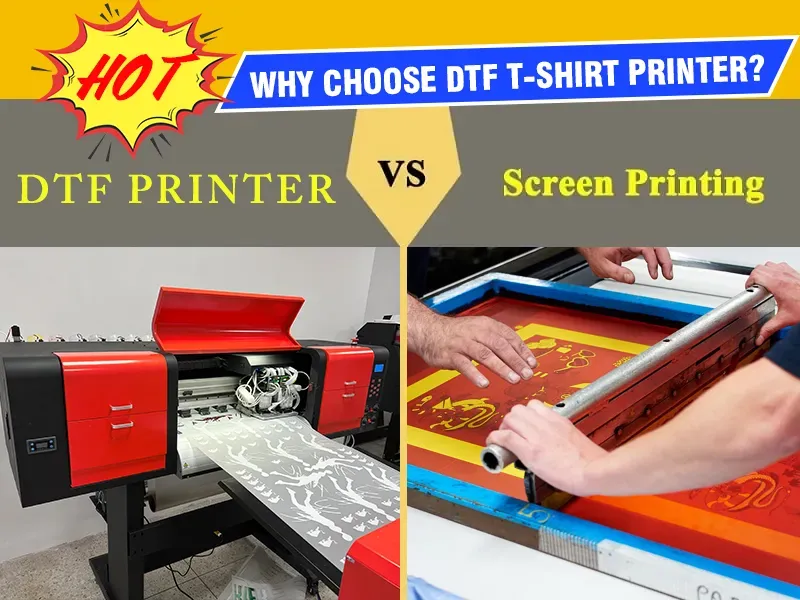
When comparing DTF vs Screen Printing, businesses often face the challenging task of selecting the optimal printing method for their custom apparel needs. Both Direct to Film (DTF) printing and traditional screen printing offer unique advantages, but they also come with distinct challenges. Understanding these printing methods is crucial for businesses aiming to deliver high-quality products that meet their customers' expectations. DTF printing stands out for its vibrant colors and intricate details, while screen printing has long been celebrated for its durability and cost-effectiveness in bulk orders. This introductory guide will explore the nuances of DTF vs Screen Printing, ensuring you can make an informed choice based on your specific requirements and preferences.
In the realm of apparel production, businesses are frequently torn between two key printing techniques: Direct to Film (DTF) and traditional screen printing, also known as silk screening. Each technique possesses unique characteristics that can significantly influence the final output of custom clothing items. While DTF printing is renowned for its capacity to handle complex designs with an impressive color palette, screen printing is still favored for its efficiency and robustness in high-volume projects. As trends evolve, understanding the distinction between these printing processes becomes paramount for businesses aiming to enhance their product offerings. By delving into the details and implications of these printing methods, you can better align your production strategy with your brand's goals.
Overview of DTF Printing
DTF printing, or Direct to Film printing, is praised for its innovative approach to apparel decoration. The process begins by printing designs onto a special transfer film, which is then heat-applied to garments. This technique allows for the reproduction of high-resolution images and complex graphics with vibrant colors. Because it can be applied to various fabrics, including cotton and polyester, DTF has become a favorite for custom apparel enthusiasts looking for flexibility in design.
The technology behind DTF printing is relatively straightforward compared to traditional methods. It eliminates the need for complex setup procedures often associated with screen printing, making it an excellent choice for smaller runs and one-off designs. As a result, businesses can cater to personalized requests without incurring significant costs, thereby establishing a competitive edge in the ever-evolving custom apparel market.
Screen Printing Techniques Explained
Screen printing stands as one of the oldest and most reliable methods of printing on textiles. It involves creating a stencil (screen) for each color in a design, through which ink is pushed onto the garment. This method is particularly effective for bulk orders, making it a staple in the apparel industry. The end result is a bold, durable print, known for its resistance to cracking and fading, which is especially desirable for brands seeking longevity in their products.
One of the significant advantages of screen printing is its scalability. Once the setup is complete, production can be quick, allowing businesses to process large orders efficiently. However, for intricate designs requiring many colors, the setup time and cost can be a drawback. Despite this, screen printing maintains its status due to its high-quality output and proven success across various applications in the custom apparel industry.
Evaluating Print Quality: DTF vs Screen Printing
When it comes to print quality, DTF printing has rapidly gained a reputation for excellence. Its ability to produce intricate details and a vast color palette makes it attractive for artworks that demand high fidelity. The finished products often exhibit a soft hand feel, as the ink is absorbed into the fabric for a more natural look, contrasting with the thicker layer of ink typically found in screen printing.
On the other hand, screen printing is highly regarded for its durability under harsh washing conditions. The ink used in this method bonds well with the fabric, ensuring that prints remain intact over time. While it may be less suited for highly detailed designs, screen printing remains the preferred choice for designs requiring bold colors and durability, solidifying its position as an industry standard.
Making Cost Comparisons: DTF and Screen Printing
Cost is a significant factor when choosing between DTF printing and screen printing. DTF offers lower setup costs, which is a considerable advantage for businesses focusing on small batches or custom jobs. This makes it an appealing choice for startups or those testing new designs without the risk of overspending on equipment. Additionally, as production runs increase, the efficiency of DTF remains favorable due to the minimal material waste associated with smaller orders.
Conversely, screen printing proves most cost-effective in larger volumes. The initial investment may be higher due to the setup of multiple screens, but as the quantity increases, the cost per unit decreases significantly. This makes screen printing an ideal choice for brands that require high-volume orders, balancing initial costs with long-term benefits through bulk pricing.
Environmental Considerations in Printing
The environmental impact of printing methods is an increasingly important consideration for businesses and consumers alike. DTF printing is often lauded for its reduced ink usage, as it eliminates the need for multiple screen setups. This can lead to less waste overall, particularly when producing smaller quantities of custom apparel. Moreover, innovations in DTF technology continually aim to improve the eco-friendliness of inks and processes.
On the other hand, traditional screen printing may utilize water-based inks that are less harmful to the environment, making it a sustainable option for many large-scale operations. However, the multiple screens and setups can create significant waste. Businesses are now faced with the challenge of balancing their printing needs with sustainable practices, requiring a careful examination of both methods' environmental impacts.
Current Trends in Custom Apparel Printing
The landscape of custom apparel printing is constantly evolving, with trends pivoting towards personalization and on-demand production. DTF printing has experienced a surge in popularity, driven by the rise of e-commerce and consumer demand for unique clothing options. This method allows for rapid fulfillment of custom orders, which aligns perfectly with the current market trends toward individualized products.
In contrast, screen printing remains firmly rooted among larger brands focused on producing high volumes. The enduring appeal of screen printing lies in its established efficiency and the quality it offers for standardized designs. As businesses evolve, they must weigh whether to invest in innovative DTF technology for flexibility or maintain their legacy operations for efficiency, making strategic decisions based on market demands and future growth potential.
Frequently Asked Questions
What are the main differences between DTF printing and screen printing?
The main differences between DTF printing and screen printing lie in their processes and applications. DTF printing uses a film to transfer designs onto fabric, making it ideal for intricate artwork and low-volume custom apparel. In contrast, screen printing involves pushing ink through stencils, which is more efficient for high-volume orders and simpler designs.
Which printing method, DTF or screen printing, offers better print quality?
DTF printing is renowned for its ability to produce high-detail designs with vibrant colors, making it suitable for complex graphics. On the other hand, screen printing provides durable, long-lasting prints perfect for bulk orders but may be less versatile for intricate patterns compared to DTF.
Is DTF printing or screen printing more cost-effective for small runs of custom apparel?
DTF printing is generally more cost-effective for small runs due to its lower setup costs and flexibility in producing custom designs. Screen printing, while economical for large volumes, can be expensive for small orders due to the higher initial setup costs associated with multiple screens.
What types of fabrics can be used with DTF printing versus screen printing?
DTF printing is highly versatile and can be applied to various fabric types, including cotton, polyester, and blends. Screen printing traditionally performs best on cotton materials but can adapt to other fabrics depending on the chosen ink types and treatment processes used.
How do production speeds compare between DTF printing and screen printing?
Screen printing is faster for high-volume production due to its efficient mass printing processes once the screens are prepared. However, DTF printing supports on-demand printing with minimal setup time, making it ideal for smaller jobs and rapid turnaround needs.
What environmental considerations should businesses be aware of when choosing between DTF and screen printing?
DTF printing may have environmental advantages due to reduced ink usage and less waste than traditional screen printing, which often requires multiple screens. However, the environmental impact can vary based on the inks and production practices used in each method.
| Comparison Aspect | DTF Printing | Screen Printing |
|---|---|---|
| Technology Overview | High-detail prints, color vibrancy for complex designs, lower setup costs for small runs | Efficient for bulk orders, requires higher initial setup due to multiple screens |
| Cost Considerations | More affordable setups, ideal for small or custom orders | Cost-effective in larger quantities, setup costs higher |
| Quality and Flexibility | Excels in intricate designs, versatile for various fabrics | Durability and longevity for simpler designs, limited fabric options |
| Production Speed | Minimal setup time supports on-demand printing, ideal for small jobs | Faster for high volumes post-setup but needs more time for preparation |
| Environmental Impact | Reduced ink usage, less waste in production | Potentially eco-friendly with water-based inks, but more waste from multiple screens |
| Current Trends | Rise in demand for e-commerce and personalized products, growing popularity | Continues to be standard for larger businesses with focus on high volume |
Summary
DTF vs Screen Printing presents a compelling choice for businesses seeking the best printing solution. DTF printing is ideal for small batches with intricate designs and quick turnarounds, while screen printing remains the go-to method for high-volume productions due to its durability and efficiency. Understanding these differences empowers businesses to choose the most suitable method for their unique printing needs, ensuring quality and satisfaction in the final products.