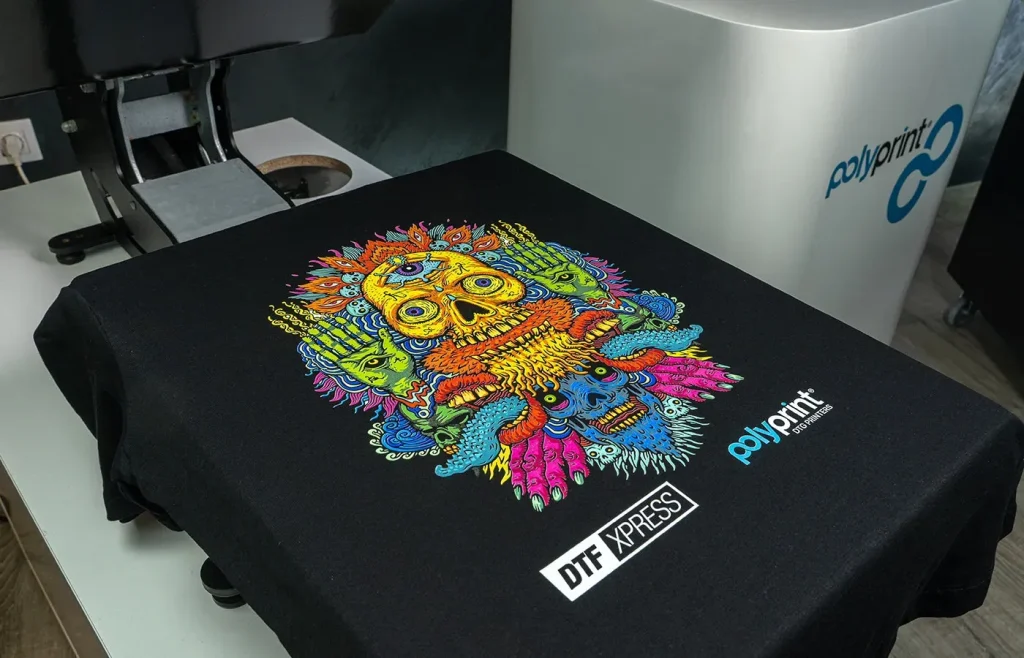
DTF printing, or Direct-to-Film printing, is a groundbreaking technique that is transforming the fashion printing technology landscape. With its ability to yield high-quality prints on a variety of fabrics, DTF stands out as a versatile and innovative method in the realm of custom apparel printing. As sustainable fashion becomes a priority for consumers and brands alike, DTF printing helps minimize waste and supports eco-friendly production practices. Unlike outdated textile printing methods, this digital garment printing technique allows for rapid customization and on-demand apparel creation, essential for today’s fast-paced fashion market. By embracing DTF printing, brands not only improve their efficiency but also contribute to a more sustainable future in the textile industry.
Direct-to-Film technology encompasses innovative methods for applying vibrant designs directly onto fabrics, offering new possibilities in the world of custom clothing. As consumers increasingly demand personalized apparel, DTF printing is emerging as a favorite among designers looking to incorporate efficient, stylish solutions into their collections. This cutting-edge approach enhances versatility in production, allowing for a range of textile printing options that address contemporary sustainability concerns. With its ability to produce on-demand items, this digital printing technique supports the growing trend of made-to-order fashion, which aligns well with sustainable business practices. In a landscape where environmental consciousness is on the rise, DTF printing stands as a beacon for the future of eco-responsive fashion.
Overview of DTF Printing Technology
Direct-to-Film (DTF) printing represents a game-changing innovation in textile printing technology. This process enables designers to create intricate and colorful designs on a specialized film before transferring them to various fabric types. Not only does this method produce prints with exceptional clarity and detail, but it also simplifies the production process by eliminating the need for numerous screens traditionally required in methods like screen printing.
As fashion brands evolve, they increasingly embrace DTF printing for its convenience and efficiency. The ease of setup compared to conventional textile printing methods means businesses can quickly respond to consumer demands, making it a desirable choice for those seeking to stay competitive in the fast-paced fashion marketplace.
Advantages of DTF Printing in Fashion
One of the standout features of DTF printing is its versatility. It effectively prints on a wide range of materials including cotton, polyester, and blends. This flexibility allows fashion designers to explore different fabric types while still achieving the high-quality prints that are essential in fashion design. With DTF, brands are no longer hampered by material constraints, enabling the creation of unique collections that cater to diverse aesthetics.
Moreover, DTF printing facilitates customization on an unprecedented scale. With the ability to produce small batches or even one-of-a-kind items, brands can tailor their offerings to match individual customer preferences and capture the spirit of current trends. This ability to personalize garments not only enhances the customer experience but also strengthens brand loyalty, as shoppers increasingly seek unique apparel that resonates with their identity.
DTF Printing and Sustainable Fashion
As sustainability becomes a central focus in the fashion industry, DTF printing emerges as a viable solution for reducing waste and environmental impact. This printing method minimizes excess inventory by supporting only on-demand production, which helps brands avoid overproduction and the ecological damage associated with discarding unsold garments.
Furthermore, the efficiency of DTF printing translates to a lower carbon footprint, aligning with the values of modern consumers who prioritize eco-friendly manufacturing practices. As brands adopt DTF technology, they not only improve their sustainability efforts but also resonate more deeply with environmentally-conscious shoppers, fostering a positive brand image in today’s eco-aware market.
The Technological Edge of DTF Printing
Technological advancements have significantly enhanced the DTF printing process, boosting quality and production speed. Innovations in ink formulations and printing equipment have led to prints that are more durable, vibrant, and capable of withstanding the rigors of machine washing. This quality improvement positions DTF printing as a strong contender among digital garment printing options, especially in an industry that values both aesthetics and functionality.
Additionally, as the technology surrounding DTF continues to advance, it opens up new possibilities for designers to experiment with intricate designs and color variations. The ease of accessing high-quality prints enables fashion designers to expand their creative boundaries, maintaining relevance in a competitively dynamic market. This technological edge creates an opportunity for brands to stand out amid a sea of options.
Expert Perspectives on DTF Printing
Industry experts are increasingly vocal about the impact of DTF printing on fashion design and manufacturing. They predict that the agility and rapid turnaround capabilities offered by DTF will enable designers to keep up with the fast-changing fashion trends that characterize today’s market. With the ability to frequently refresh collections, brands can capture consumer attention and drive sales by aligning their products with current styles.
Experts also highlight the intersection of technology and sustainability, noting that DTF printing exemplifies a modern approach to textile printing that meets both consumer demands for customization and the industry’s push for environmentally responsible practices. This dual alignment not only enhances the production process but also fosters innovation, ensuring that brands remain adaptable in a landscape that increasingly favors both speed and ethical considerations.
Future of DTF Printing in the Fashion Industry
Looking ahead, DTF printing holds promising potential for the fashion industry as it continues to develop. The ability to combine quality, efficiency, and sustainability makes DTF an attractive option for fashion brands seeking to innovate while being mindful of their ecological impact. With consumer preferences shifting towards customizable and sustainable apparel, DTF is well-positioned to meet these demands.
As the technology matures, it’s anticipated that more brands will adopt DTF printing to leverage its benefits. This may lead to a significant transformation in textile printing methods, fostering a new era in fashion where creativity is matched by efficiency and ecological accountability. The future of DTF printing is bright, with its capability to redefine both garment creation and consumer interactions in a rapidly evolving industry.
Frequently Asked Questions
What advantages does DTF printing offer over traditional textile printing methods?
DTF printing provides several distinct advantages over traditional textile printing methods, such as screen printing. It requires less setup, allowing for quicker production times and lower costs. The versatility of DTF printing means it can be applied to a variety of fabrics, while also enabling customization for small batches, adapting rapidly to consumer trends.
How does DTF printing contribute to sustainable fashion initiatives?
DTF printing greatly contributes to sustainable fashion by minimizing waste and excess inventory. By facilitating on-demand production, brands can produce exactly what is needed, reducing overproduction and its associated environmental impact. This aligns with the growing consumer demand for eco-friendly fashion choices.
Can DTF printing be used for custom apparel printing?
Yes, DTF printing is ideal for custom apparel printing due to its ability to produce high-quality, detailed prints quickly. It allows brands to create unique, personalized items for customers, enhancing the shopping experience and meeting fast-changing fashion demands.
What types of fabrics are suitable for DTF printing?
DTF printing is compatible with a wide range of fabrics, including cotton, polyester, and various blends. This flexibility allows clothing designers to explore diverse material options without being limited by the constraints often faced in traditional printing methods.
How does the technology behind DTF printing enhance print quality?
The technology behind DTF printing has seen significant advancements that improve the durability and vibrancy of prints. This enhances the overall quality and ensures that colors remain striking and designs intact, making it a premium choice for digital garment printing.
Is DTF printing a cost-effective solution for small fashion brands?
Absolutely! DTF printing is a cost-effective option for small fashion brands as it reduces setup costs and production time compared to traditional methods. This affordability allows new and small businesses to enter the market with lower financial barriers, promoting innovation and diversity in the fashion landscape.
| Key Points | Details |
|---|---|
| Introduction | DTF printing enhances quality and efficiency in textile printing while addressing sustainability. |
| What is DTF Printing? | An innovative method where prints are made on film and transferred onto fabrics, producing high-resolution prints with vibrant colors. |
| Versatility | Compatible with various fabrics, allowing diverse apparel production. |
| Customization | Allows small batches and customization, catering to individual customer preferences. |
| Cost-Effectiveness | Reduces setup and production costs, aiding small brands in market entry. |
| On-Demand Production | Reduces overproduction risk and allows real-time market responsiveness. |
| Sustainability | Minimizes waste, contributing to a more sustainable fashion ecosystem. |
| Technological Advancements | Improvements in print durability and vibrancy ensure competitive advantage. |
| Expert Opinions | Experts suggest DTF printing enhances design agility and innovation. |
Summary
DTF printing is transforming the fashion industry by offering efficient and high-quality production methods that meet modern consumer demands. This innovative technology allows designers to create vibrant and intricate prints while supporting sustainable practices by reducing waste and excess inventory. As more brands adopt DTF printing, they are able to respond quickly to trends and personalize their offerings for consumers, thereby enhancing the overall shopping experience. The adoption of DTF printing not only enables greater creativity in fashion design but also contributes positively to the industry’s ecological footprint, paving the way for a more sustainable future in apparel production.