
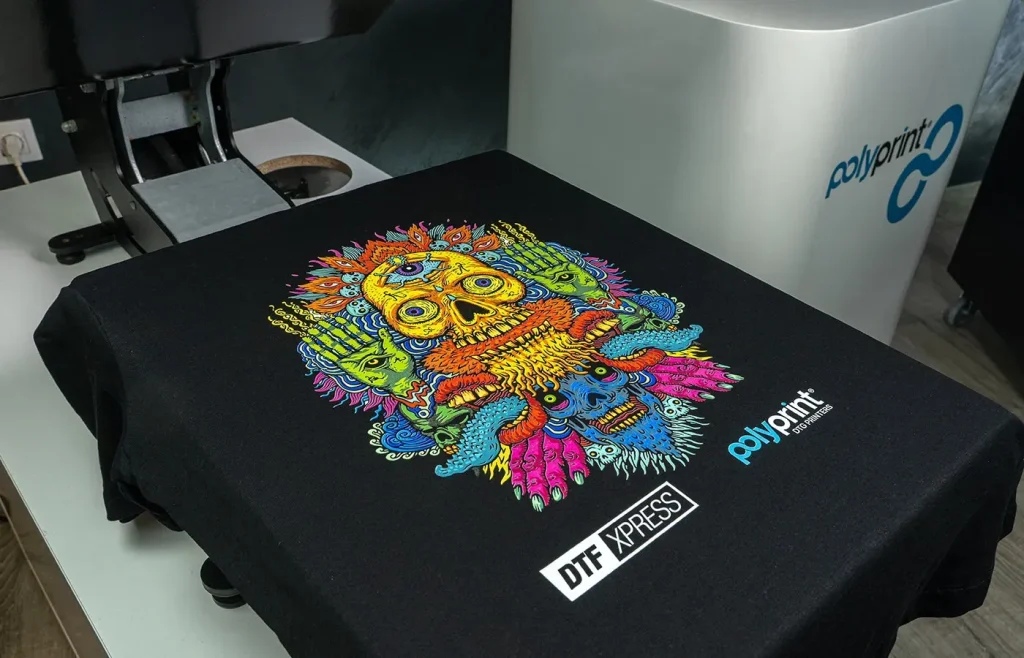
DTF printing, or Direct-to-Film printing, is revolutionizing the custom apparel industry by providing an innovative and efficient way to decorate garments. This cutting-edge technique allows for high-quality prints with vibrant colors, making it a game changer in the fashion printing realm. Unlike traditional methods, the DTF printing process is not only cost-effective but also versatile, catering to a wide array of materials. As businesses increasingly seek sustainable printing solutions, DTF printing stands out by utilizing eco-friendly inks that minimize environmental impact. In this article, we’ll explore the transformative effects of DTF printing on custom apparel and how it paves the way for a more dynamic and responsible fashion industry.
Direct-to-Film printing, often referred to as DTF printing, is gaining traction as a leading method in apparel decoration. This innovative approach allows designers to transfer their unique creations onto various fabrics with exceptional detail and vibrancy. By simplifying the production process, DTF offers a competitive edge in the world of custom fashion. The growing emphasis on sustainability within the industry makes this technique particularly appealing, as it utilizes water-based inks that align with eco-conscious practices. As the demand for personalized apparel continues to rise, exploring DTF’s capabilities becomes essential for those looking to thrive in this ever-evolving market.
Understanding the DTF Printing Process
The DTF printing process is a sophisticated yet accessible technique that enables creators to transition from digital designs to physical garments seamlessly. It starts with taking a digital graphic and printing it onto a PET film using specialized DTF inks. This step is crucial because the choice of ink directly impacts the vibrancy and durability of the final print. After printing, an adhesive powder is spread over the film, which is then cured using a heat press. This ensures the adhesive thoroughly bonds with the ink, preparing it for the transfer to fabric.
Following the adhesive application, the film undergoes a final heat pressing onto the garment. This transfer method ensures that the inks penetrate the fibers of the fabric, resulting in high-resolution prints that retain sharp details and vibrant colors. Whether it’s a simple logo or complex artwork, DTF printing excels at translating intricate designs onto a variety of fabrics, making it a preferred choice for custom apparel businesses.
The Advantages of DTF Printing in Custom Apparel
One of the standout benefits of DTF printing is its unmatched print quality, which elevates the standard for custom apparel. Brands utilizing this technology can achieve photo-quality images that captivate consumers. The richness of color and the precision of detail found in DTF prints are particularly appealing to artists and designers who aim for a high degree of visual impact in their work. This ability to showcase stunning graphics not only enhances product appeal but also solidifies brand identity in a competitive market.
Moreover, the cost-effectiveness of DTF printing is significant for businesses especially engaging in smaller production runs. This method reduces overhead costs typically associated with traditional printing techniques which often require large minimum orders to justify setup costs. Startups and small brands can thus produce custom apparel tailored to specific audiences without the financial burden of unsold inventory, capturing niche markets with ease.
Material Versatility and DTF Printing
DTF printing demonstrates remarkable versatility, allowing apparel businesses to experiment with various materials, including cotton, polyester, blends, and denim. This adaptability expands design possibilities, enabling brands to offer a diverse range of products from t-shirts to high-end sportswear. The ability to print effectively on different fabrics means businesses can cater to specific customer needs, preferences, and trends, solidifying their presence in the ever-evolving fashion landscape.
Additionally, this flexibility means that brands can easily pivot their offerings to highlight seasonal trends or respond to consumer demands. For example, a clothing brand can seamlessly transition from creating summer wear in light fabrics to fall collections in heavier materials, all while maintaining consistent quality and vibrancy in their prints thanks to DTF technologies.
Sustainability in DTF Printing: A Game Changer
In today’s marketplace, sustainability is not just an option but a necessity for brands looking to resonate with eco-conscious consumers. DTF printing contributes significantly to this goal by utilizing water-based inks that produce fewer volatile organic compounds (VOCs) compared to traditional ink methods. This eco-friendliness not only reduces environmental impact but also enhances the brand’s image as a socially responsible entity.
With consumers increasingly prioritizing sustainable practices in their purchasing decisions, brands adopting DTF technologies can leverage this trend to set themselves apart. By aligning their production processes with environmental stewardship, businesses not only appeal to a broader audience but also foster customer loyalty among those who value sustainability.
Speed and Efficiency with DTF Printing
The rapid production capabilities of DTF printing provide businesses an essential edge in the fast-paced fashion industry. Traditional methods often involve lengthy setup and cleanup processes that can hinder responsiveness to market changes. However, with DTF, once a design is ready, the actual printing and transfer process happens much quicker, permitting brands to meet tight deadlines and capitalize on trends as they emerge.
Moreover, the efficiency of DTF printing allows brands to streamline their operations, shifting to more on-demand production models that cater to customers’ evolving preferences. This flexibility not only reduces inventory waste but also promotes a more dynamic production strategy where businesses can experiment with new designs and capitalize on changing consumer tastes rapidly.
Challenges and Considerations in DTF Printing
Despite its numerous advantages, DTF printing is not without challenges. One significant barrier is the requirement for specialized equipment and adequate training. Initial investments in high-quality printers and heat pressing apparatus can be daunting for new businesses. Additionally, there is a learning curve associated with mastering the DTF printing process, which can pose a major hurdle for those with little prior experience in digital printing.
Another consideration is the durability of DTF prints. While they are designed to hold up well during washing, proper care instructions must be communicated to consumers. Brands need to educate their customers on garment care to maintain quality over time, ensuring that prints remain vibrant and intact, thus protecting the consumer’s investment.
Frequently Asked Questions
What makes DTF printing a preferred choice for custom apparel?
DTF printing, or Direct-to-Film printing, stands out as a preferred choice for custom apparel due to its high-quality print results, cost-effectiveness for small runs, and speed in production. This innovative method caters to intricate designs and a range of fabrics, making it ideal for businesses aiming to deliver personalized and visually appealing products.
How does the DTF printing process work for custom apparel?
The DTF printing process involves printing designs onto a special PET film, applying hot-melt adhesive powder to the film, and then using a heat press to cure the adhesive. Finally, the film is heat pressed onto the garment, resulting in vibrant, high-resolution prints on custom apparel, reinforcing the efficiency and effectiveness of this method.
Is DTF printing sustainable for fashion printing?
Yes, DTF printing is considered a sustainable option for fashion printing. It utilizes water-based inks that produce fewer volatile organic compounds (VOCs) compared to traditional methods. This eco-friendly approach caters to environmentally conscious consumers and enhances a brand’s corporate social responsibility profile.
Can DTF printing be used on a variety of fabrics in custom apparel?
Absolutely! DTF printing is versatile and can be applied to a range of materials including cotton, polyester, denim, and blends. This flexibility allows custom apparel brands to create diverse products such as t-shirts, hoodies, and sportswear, catering to various market demands.
What are the benefits of DTF printing over traditional screen printing methods?
DTF printing offers numerous benefits over traditional screen printing, including superior print quality with vibrant colors, lower setup costs for small production runs, quicker turnaround times, and versatility in fabric choices. These advantages make DTF printing a game changer for businesses in the custom apparel industry.
What challenges might businesses face when adopting DTF printing for custom apparel?
While DTF printing provides several benefits, businesses may encounter challenges such as the need for specialized equipment and training, which can be barriers to entry. Additionally, proper care instructions for printed garments are essential to sustain quality over time and ensure customer satisfaction.
| Aspect | Description |
|---|---|
| What is DTF Printing? | A print technique that transfers designs from a special film to fabric, offering an efficient alternative to traditional screen printing. |
| The Process Behind DTF Printing | Involves printing on PET film, applying hot-melt adhesive, and transferring to the garment via a heat press. |
| Benefits of DTF Printing | Includes enhanced print quality, cost-effectiveness for small runs, speed, material versatility, and sustainability. |
| Challenges to Consider | Requires specialized equipment and training; consumer education on garment care is necessary for quality maintenance. |
| Future of DTF Printing | Expected to thrive amid evolving custom apparel demands for personalization and sustainability concerns. |
Summary
DTF printing is a groundbreaking method that is revolutionizing the custom apparel industry. Its capacity for delivering high-quality prints while maintaining cost-effectiveness for smaller production runs makes it an ideal choice for both established brands and emerging entrepreneurs. As businesses increasingly seek faster turnaround times and sustainable production practices, DTF printing emerges as a reliable solution that meets these modern demands. Its influence does not stop at just print quality; it offers versatility across various fabrics, making it a game-changer for personalized apparel markets. Embracing DTF printing positions businesses to not only stand out in a competitive landscape but also contribute positively to an environmentally-conscious industry.