
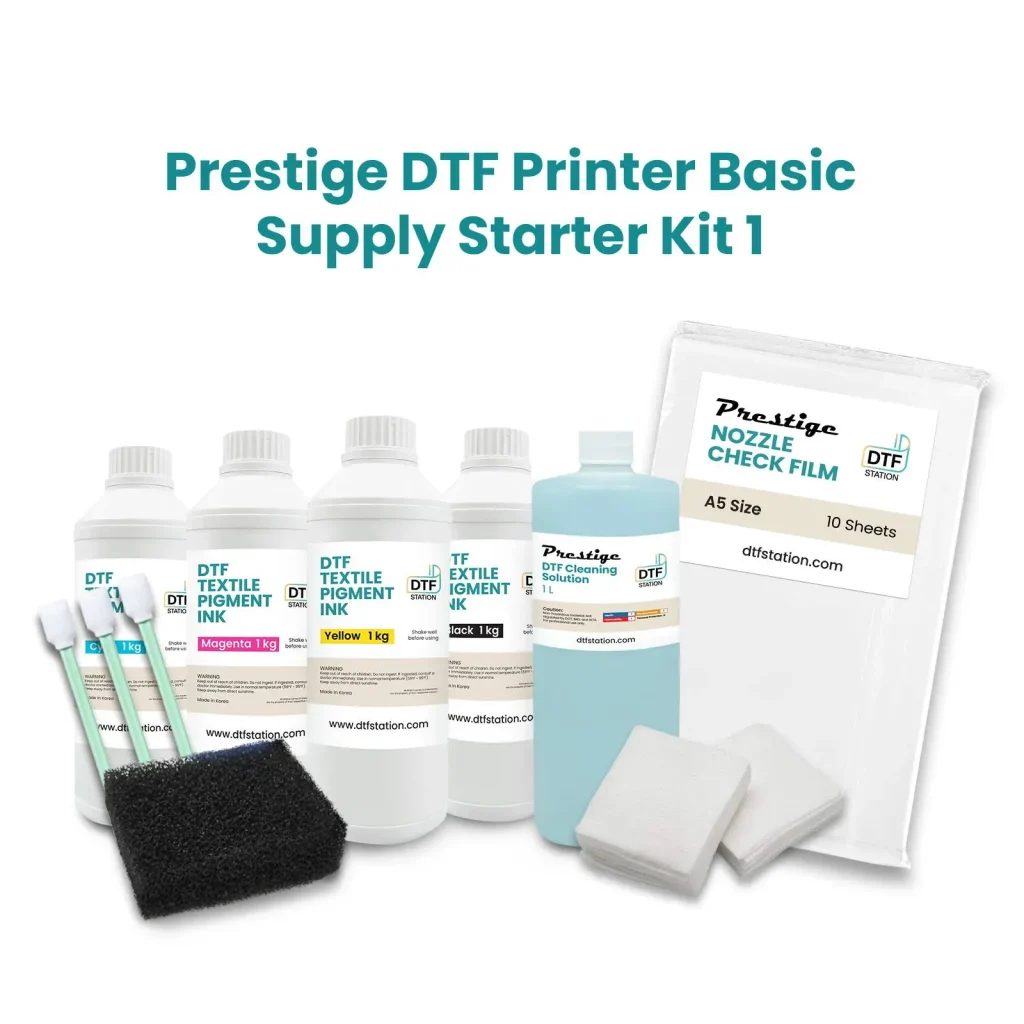
DTF supplies are essential for anyone interested in the innovative realm of Direct-to-Film printing. This modern technique not only offers high-quality results but also provides versatility in printing on a variety of fabrics. To successfully embark on your DTF printing journey, understanding and acquiring the right supplies is crucial. In this guide, we will explore key components such as DTF transfer film, DTF adhesive powder, and the necessary equipment like a DTF printer and heat press machine. Discover how these elements come together to create stunning custom designs that can transform your apparel business.
In the exciting domain of printing technology, the term “Direct-to-Film supplies” refers to the crucial tools and materials needed for producing high-quality custom apparel. This approach, leveraging specialized film and unique adhesive powders, differs from traditional printing methods, ensuring vibrant and durable designs. From selecting the right DTF printers to understanding the intricacies of heat pressing, grasping these components is vital for anyone looking to excel in this industry. As we delve into the essentials, you’ll learn how each element contributes to creating striking designs that appeal to diverse markets. Prepare to unlock the potential of modern garment printing with the right supplies at your fingertips.
The Importance of Quality DTF Transfer Film
When it comes to DTF printing, the choice of transfer film can significantly impact the quality of the final garment. High-quality DTF transfer film ensures that vibrant colors and intricate details of your designs are preserved during the printing and heat transfer process. Investing in reputable brands can mitigate common issues such as fading or peeling, which can occur with inferior films. The right transfer film should also have a smooth surface that promotes optimal ink adhesion, enhancing overall print durability.
Additionally, the thickness and coating of the DTF transfer film play a pivotal role in the final output. A thicker film may provide better durability but can also require adjustments in heat and pressure settings during transfer. It’s advisable to experiment with various options while noting the results, as the correct film will enhance not just the visual appeal but also the longevity of the garment’s design.
Choosing the Right DTF Printer for Your Needs
Selecting an appropriate DTF printer is a crucial step in establishing your printing business. Various models are available, but ensuring that your choice aligns with your production goals is essential. Look for printers specifically designed for DTF printing that provide high-resolution output, as this ensures your designs will be crisp and true to color. Many professionals recommend printers from well-known brands like Epson or high-quality modified models, as they have reputations for reliability and exceptional print quality.
Moreover, consider the printer’s compatibility with various DTF inks and transfer films. A printer that seamlessly integrates with your materials will not only optimize your workflow but also significantly enhance the quality of the designs you produce. Don’t forget to take into account maintenance needs and technical support availability; these factors can save you time and frustration down the line.
Understanding DTF Adhesive Powder
DTF adhesive powder is a critical component in the DTF printing process, serving as the medium that bonds the printed design to the fabric. Once you print your design on a transfer film, sprinkling the adhesive powder while the ink remains wet ensures that the design adheres effectively during the heat transfer process. It’s essential to select a high-quality adhesive powder to prevent issues such as flaking or washing out over time.
The application technique also plays a significant role in the transfer quality. An even application of the adhesive powder is necessary; uneven distribution may lead to weak spots in the final print. Consider practicing the application technique to master the balance needed for achieving flawless, durable prints that withstand wear and tear.
Utilizing Heat Press Machines Efficiently
A heat press machine is an indispensable tool in DTF printing, as it is responsible for transferring your designs from the film to the fabric. The correct temperature, pressure, and time settings are crucial for a successful transfer. When selecting a heat press machine, look for features that accommodate your printing scale and product variety, including swing-away or clamshell designs to better fit your workspace.
Moreover, understanding the specifics of your heat press can greatly enhance your results. Calibration for even heat distribution and pressure application can significantly enhance the quality of your final products. Regular maintenance and understanding how to troubleshoot common problems can further ensure the longevity and efficiency of your heat press setup.
Setting Up Your DTF Workflow Process
Establishing an effective workflow is vital for maximizing efficiency in DTF printing. Your process should encompass all stages, from design creation through to final heat pressing. Start with a clear plan for your design elements; utilize software that aligns with your outputs and offers compatibility with your DTF printer. Streamlining these initial stages will set a solid foundation for rapid production.
Furthermore, consider creating checklists for each step in your workflow, including printing, powder application, and heat pressing. This will ensure consistency and help in troubleshooting any issues that may arise. Refining your workflow will not only enhance productivity but also uphold the quality standard of your printed designs, delighting your customers.
Budgeting and Planning for DTF Supplies
Before embarking on your DTF printing journey, developing a detailed budget is essential. This budget should cover all necessary equipment, including a DTF printer, heat press machine, transfer films, inks, and adhesive powders, as well as ancillary costs like software and training. Understanding your financial limits will help you prioritize quality supplies that align with your budget without compromising on essential features.
Additionally, budgeting should account for both initial expenses and ongoing operational costs. This might include replenishing supplies and maintaining your equipment over time. Developing a clear financial plan will empower you to make informed decisions that facilitate growth while avoiding overspending as your business scales.
Frequently Asked Questions
What are the essential DTF supplies needed for DTF printing?
To successfully engage in DTF printing, essential DTF supplies include a high-quality DTF printer, DTF transfer film, DTF inks, DTF adhesive powder, and a reliable heat press machine. Each component plays a critical role in ensuring high-quality designs and transfers.
How does DTF printing work with DTF transfer film?
DTF printing works by printing designs onto DTF transfer film with specialized inks. The printed film is then coated with DTF adhesive powder, which binds the design to the fabric when heat pressed. This process allows for vibrant and detailed graphics on various materials.
Can I use any printer for DTF printing?
No, not all printers are suitable for DTF printing. It is recommended to use a dedicated DTF printer that is capable of printing with DTF inks. Popular brands like Epson and modified Mimaki printers are excellent choices, as they ensure high-quality outputs suitable for DTF supplies.
What is DTF adhesive powder and why is it important?
DTF adhesive powder is a critical component in the DTF printing process. It is sprinkled onto the printed design while the ink is still wet, creating a strong bond between the print and the fabric after heat pressing. This powder ensures the longevity and durability of the transferred design.
How do I choose the right heat press machine for DTF printing?
When choosing a heat press machine for DTF printing, look for models that offer consistent temperature and pressure, as these are essential for quality transfers. Machines come in different styles like clamshell or swing-away, so select one that fits your workspace and preferences for ease of use.
What types of fabrics can I use DTF printing on?
DTF printing is versatile and can be used on a variety of fabric types, including cotton, polyester, and blends. This broad compatibility enables you to cater to different customer preferences by printing on various clothing items with high quality and durability.
| Key Supplies | Description |
|---|---|
| DTF Printer | High-quality printer specifically for DTF printing, enhancing print quality and consistency. |
| DTF Transfer Film | Specialized film that ensures proper ink adhesion and durability of prints. |
| DTF Inks | Water-based inks formulated for vibrant colors and compatibility with transfer film. |
| DTF Adhesive Powder | Powder that bonds printed designs to fabric, crucial for effective heat transfer. |
| Heat Press Machine | Essential for transferring designs from film to fabric with consistent heat and pressure. |
Summary
DTF Supplies are vital for anyone venturing into the realm of custom apparel printing. This innovative approach allows you to transfer vibrant designs onto various fabrics with ease, offering a professional finish that appeals to consumers. From high-quality DTF printers to specialized transfer films and adhesive powders, having the right tools will empower you to produce stunning, personalized garments. By understanding the workflow and investing wisely in supplies, you can establish a flourishing business in the competitive world of DTF printing.