
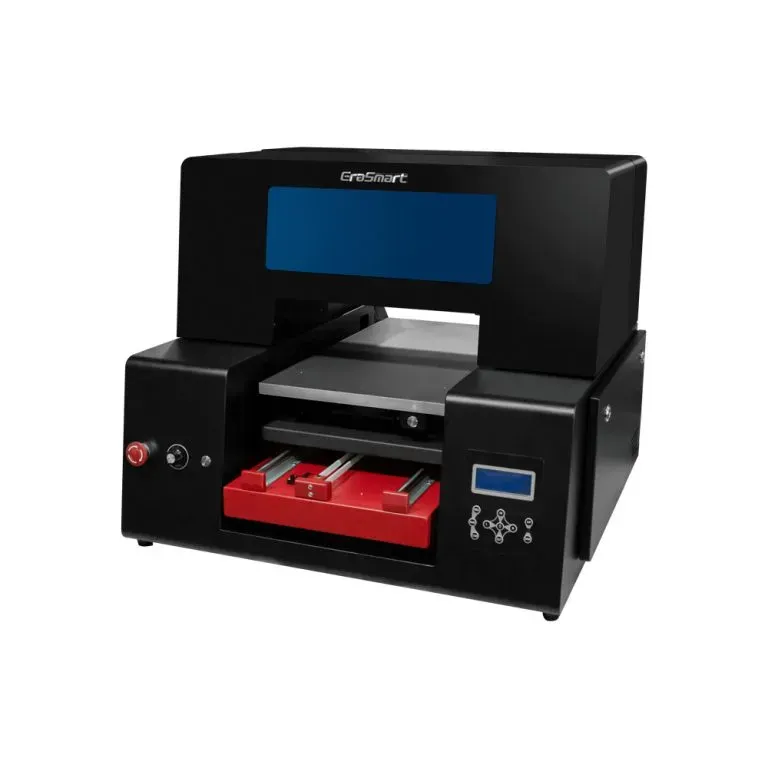
**UV DTF technology** marks a significant milestone in the realm of graphic design, standing at the intersection of innovation and creativity. By combining the properties of ultraviolet printing with Direct to Film (DTF) techniques, this technology offers unparalleled vibrancy in prints and exceptional durability for various applications. Graphic designers can harness the power of UV DTF to create stunning visuals that not only captivate audiences but also stand the test of time. With its ability to transfer intricate designs onto a plethora of materials, including textiles and hard surfaces, this robust print technology is reshaping the possibilities for graphic artists. In this article, we will delve deeper into the transformative impacts and recent advancements surrounding UV DTF technology, illuminating its potential to redefine creative workflows.
In the landscape of contemporary printing solutions, **UV DTF technology** provides a compelling blend of the best aspects of ultraviolet printing and Direct to Film methods. This advanced technique revolutionizes how images are produced, offering graphic designers the chance to explore sophisticated print options that exhibit both high color fidelity and lasting results. The integration of durable print technology allows for enhanced resistance to wear and environmental factors, ensuring that creative products maintain their appeal longer. As the demand for innovative graphic design continues to rise, leveraging DTF heat transfer solutions becomes crucial for meeting client expectations and standing out in a competitive market. Throughout this exploration, we will uncover the significant advantages and practical applications of this cutting-edge approach to printing.
Understanding the Basics of UV DTF Technology
UV DTF technology, or Ultra Violet Direct to Film technology, is a modern printing innovation that combines the precision of UV printing with the versatility of Direct to Film application. This technology utilizes ultraviolet light to cure inks as they are printed onto a transfer film, which can then be used to imprint designs on various surfaces. This method not only streamlines the printing process but also allows for high-resolution prints that capture intricate details and vivid colors. Designers can leverage the capabilities of UV DTF for a wide range of applications, from textiles to hard materials, making it a valuable asset in their creative toolkit.
The application of UV DTF technology fundamentally transforms traditional graphic design practices by enabling greater flexibility in design execution. This means designers can experiment more freely with color schemes, patterns, and textures, knowing that the technology affords them a durable and vibrant output. Moreover, this innovative approach minimizes the risk of common printing issues, such as ink bleeding or color fading, thus ensuring that the final product meets a high standard of quality.
Advantages of UV DTF Printing Over Traditional Methods
One of the standout advantages of UV DTF printing is its capacity to produce exceptionally vibrant prints. Traditional printing methods often struggle to achieve the same level of color vibrancy, especially on complex designs. UV DTF technology utilizes specialized inks that remain true to their colors even after prolonged exposure to light and wear. For graphic designers, this means that their vision for a striking design can come to life with remarkable accuracy, resulting in products that truly stand out in the market.
In addition to vibrancy, durability is another key benefit offered by UV DTF technology. Unlike conventional printing that may require careful handling to prevent damage, UV-cured inks provide an increased resistance to scratches, fading, and even moisture. This durability is particularly advantageous for products that will see regular use or exposure to the elements, allowing designers to deliver quality work that lasts, thus enhancing customer satisfaction and trust.
UV DTF Technology: Versatility Across Materials
The versatility of UV DTF technology opens doors for graphic designers to work with an extensive array of materials. Unlike traditional inkjet printers that are limited to specific substrates, UV DTF printers can easily print on surfaces ranging from fabrics to metals and plastics. This adaptability allows designers to expand their product offerings and cater to a wider audience in industries such as apparel, promotional items, and signage.
Furthermore, the ability to transfer designs onto diverse materials encourages innovation in design concepts. Designers can think outside the box and create unique items that blend different textures and finishes. Whether it’s a bold graphic on a T-shirt or intricate details on a metal sign, UV DTF technology empowers creativity and experimentation, pushing the boundaries of traditional design.
The Future of Graphic Design with UV DTF Technology
As the graphic design industry continues evolving, UV DTF technology is poised to play a significant role in shaping future trends. The recent advancements in this technology, like those unveiled by companies such as Insta Graphic Systems, indicate a continual push towards more efficient and high-quality printing solutions. Designers who adapt to these changes can position themselves favorably in a competitive market, ensuring that they remain ahead of their peers.
Looking ahead, the integration of UV DTF technology into graphic design workflows could also lead to more sustainable practices. As the technology develops, we may see an increase in eco-friendly materials and inks being utilized, aligning with growing consumer demand for sustainable products. This future, where creativity, durability, and environmental consciousness converge, could redefine industry standards and expectations, encouraging designers to incorporate sustainable practices in their work.
Maximizing Workflow Efficiency with UV DTF Technology
For graphic designers, maximizing workflow efficiency is a critical component of success, and UV DTF technology contributes significantly to this goal. The capability to print directly onto film that can be immediately transferred eliminates several steps in the typical print production process, which speeds up project turnaround times. This efficiency allows designers to handle more projects concurrently, thus increasing overall productivity.
Additionally, UV DTF technology simplifies complex design processes. By eliminating the need for separate printing and transfer steps, designers can focus more on the creative aspects of their work rather than logistical challenges. This holistic approach reinforces the synergy between creativity and technology, ensuring that designers can deliver standout products in a timely manner.
Tips for Incorporating UV DTF Technology into Your Graphic Design Projects
Incorporating UV DTF technology into your graphic design projects can seem daunting at first, but several strategies can ease this transition. One effective tip is to start small by experimenting with various materials and designs. This hands-on approach allows you to understand the capabilities and nuances of UV DTF printing without overwhelming yourself with large-scale projects initially.
Another important consideration is to pay close attention to color theory in your designs. UV DTF technology excels in producing vibrant colors, so choosing bold color palettes can lead to visually striking outcomes. Designers should also keep abreast of the latest advancements and best practices in the industry—attending workshops or expos can provide valuable insights and spark inspiration that can elevate your work.
Frequently Asked Questions
What is UV DTF technology and how does it work?
**UV DTF technology**, or Ultra Violet Direct to Film printing, utilizes ultraviolet light to cure inks directly onto films, creating high-quality prints that can be transferred onto various surfaces. This technology combines the vibrancy of UV printing with the flexibility of DTF heat transfer, allowing for intricate details and vivid colors.
What are the advantages of using UV DTF technology for graphic design?
The advantages of using **UV DTF technology** include enhanced vibrancy in prints, superior durability against fading and scratches, and versatility in application across different materials such as textiles, plastics, and metals. These benefits make it ideal for graphic designers aiming for high-quality outputs.
How does UV DTF printing enhance the vibrancy of prints compared to traditional methods?
**UV DTF printing** enhances vibrancy by curing inks with UV light, resulting in richer colors and more detailed images. This method allows graphic designers to achieve stunning, eye-catching prints that stand out in various applications.
What recent advancements have been made in UV DTF technology?
Recent advancements in **UV DTF technology**, such as the new DTF heat transfer products from Insta Graphic Systems, focus on improving print vibrancy and durability. These innovations streamline the printing process and enhance final product quality, supporting modern graphic design workflows.
In what ways can graphic designers leverage UV DTF technology for their projects?
Graphic designers can leverage **UV DTF technology** by experimenting with new media, focusing on color theory to maximize vibrancy, and staying updated on industry trends and best practices showcased at events like the DTF Expo.
Is UV DTF technology cost-effective for small graphic design firms?
Yes, as innovations in **UV DTF technology** lower production costs, it becomes increasingly accessible for small graphic design firms and independent designers, allowing them to produce high-quality prints without substantial investment.
| Key Points | Description |
|---|---|
| What is UV DTF Technology? | A printing technology that combines ultra violet curing with direct to film printing, allowing for high-quality transfers to various materials. |
| Enhanced Vibrancy | Produces vivid colors and intricate details, essential for impactful designs. |
| Durability | UV inks resist fading and scratching, maintaining print quality over time. |
| Versatility | Can be applied to a broad range of surfaces including textiles, plastics, and metals. |
| Recent Developments | Insta Graphic Systems introduced new heat transfer products to enhance vibrancy and simplify processes for designers. |
| Impact on Workflow | Improves efficiency with quicker turnaround times and reductions in post-processing. |
| Increased Design Possibilities | Offers creative opportunities with various materials and finishes. |
| Cost-Effectiveness | Potentially lowers costs for high-quality prints, making advanced printing accessible to more designers. |
Summary
UV DTF technology is a transformative innovation for graphic designers, providing enhanced vibrancy, durability, and versatility in print production. This technology, which combines the strengths of ultraviolet curing with direct-to-film printing, allows for stunning color reproduction and superior quality across various surfaces. Recent advancements, such as those introduced by Insta Graphic Systems, further emphasize its potential by streamlining processes and improving workflow efficiency. In an era where visual impact is paramount, embracing UV DTF technology can help designers elevate their work and meet the demands of the industry. As this technology evolves, it not only enhances creative possibilities but also establishes a new standard for excellence in graphic design.

