
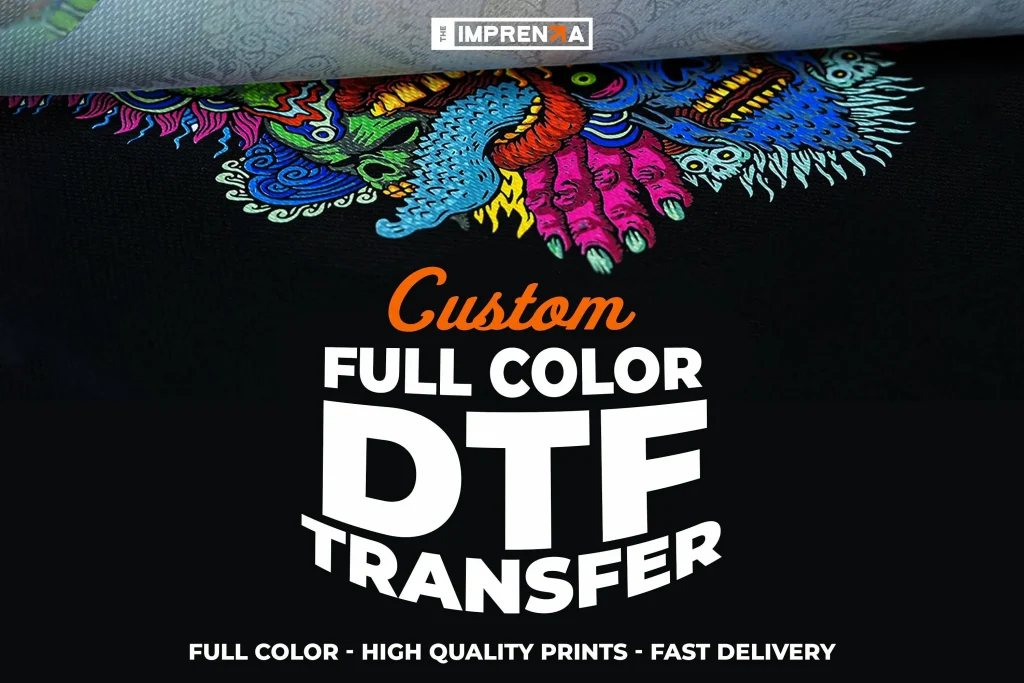
DTF Transfers, or Direct to Film transfers, have transformed the printing landscape, offering an innovative way to apply stunning designs to garments and various surfaces. This method not only allows for the creation of vibrant, high-quality prints but also ensures that intricate details are maintained, resulting in durable designs. However, to achieve perfect DTF transfers, one must master essential techniques and utilize the right equipment. In this blog, we will delve into the top 10 DTF tips that will elevate your DTF printing experience and help you achieve exceptional print quality every time. Whether you’re a professional or a DIY enthusiast, understanding the nuances of DTF transfer techniques is key to success in this exciting printing process.
Also known as Direct to Film printing, DTF transfers represent a cutting-edge approach to transferring designs onto fabric and other materials. By leveraging advanced print technology, creators can achieve high-definition colors and intricate patterns that are long-lasting, making this method increasingly popular among designers and apparel makers. Whether you’re engaged in custom apparel creation or simply exploring new printing methods, mastering DTF techniques can significantly enhance your work. This article will guide you through essential practices and DTF transfer methodologies, ensuring that you remain at the forefront of this dynamic printing trend. Join us as we uncover valuable insights for achieving remarkable results in your next DTF print project.
Understanding DTF Printing Techniques
Direct to Film (DTF) printing techniques have emerged as a game-changer in the textile and garment printing industry. This innovative method combines digital printing precision with transfer capabilities, allowing designers to produce intricate patterns and vivid colors that were previously difficult to achieve with traditional printing methods. DTF printing involves printing a design directly onto a special film, which is then transferred to the fabric using heat and pressure. This process not only enhances print quality but also ensures greater durability, making DTF transfers a popular choice among businesses and creatives alike.
To master DTF printing techniques, it’s vital to understand the equipment involved. High-quality printers that support DTF transfer, along with the right inks and films, are crucial for producing superb results. Additionally, gaining familiarity with the printing software and calibrating the printer settings tailored to the specific fabric type will contribute significantly to the vibrancy and longevity of the transfers. By mastering these techniques, you can unlock endless possibilities for creative designs.
Top Tips for Achieving Perfect DTF Transfers
Achieving perfect DTF transfers hinges on a few critical aspects that every printer should keep in mind. One of the main tips is to invest in high-quality DTF film, as this serves as the backbone of any successful transfer. A good film enhances that much-needed adherence of ink, ensuring that the designs maintain their integrity over time. Moreover, it’s essential to calibrate your printer correctly by adjusting color settings, resolution, and ink distribution specific to the DTF film. This calibration stage is where many beginners falter, but with proper attention, one can greatly improve print quality.
Additionally, one should always monitor temperature and pressure settings during the pressing phase. Consistency in these variables will yield better and more predictable results. It’s advised to perform test runs with different materials to understand their responses to heat and pressure. This also includes selecting the right fabric since DTF transfers work best on materials like cotton and polyester blends. By following these structured tips, one is on the path to achieving remarkable and durable DTF prints.
The Importance of Color Management in DTF Printing
Color management remains a pivotal aspect of achieving high-quality DTF transfers. Given that DTF printing is often used for vibrant and intricate designs, ensuring that colors translate accurately from the digital design to the final print is essential. Many printers utilize ICC profiles and software configurations that best suit their specific printers and films to maintain color fidelity. Understanding how colors behave on different fabrics and under varying pressures will help in achieving the desired results consistently.
Regularly conducting test prints is another vital practice in managing colors effectively. These tests allow for color adjustments and the identification of any discrepancies that may arise during the printing process. Investing time in calibrating your printer to the exact specifications of the DTF materials and regularly checking color outputs is key to enhancing your print quality and achieving perfect DTF transfers.
Best Practices for DTF Transfer Film Preparation
Preparing DTF transfer film properly is crucial to achieving optimal results. This includes ensuring that the film is clean and free of contaminants before printing. Dust, oils, or any residues can severely impact ink adherence and the clarity of the final design. Utilizing isopropyl alcohol or a lint-free cloth to wipe the film prior to printing helps eliminate potential issues. Furthermore, allowing the film to settle to room temperature versus printing immediately after removing it from cold storage can dramatically improve results.
In addition to cleaning, it’s essential to choose the right film according to your design requirements. Different films have specific qualities suited for various fabric types, and selecting the incorrect one can lead to unsatisfactory results. By ensuring that you not only clean the film but also select the correct type for your specific needs, you’ll be better positioned to execute flawless DTF transfers.
Developing Your Skills in DTF Printing
Developing skills in DTF printing involves both practice and a willingness to adapt. Continuous education through various resources such as blogs, instructional videos, and online forums allows printers to stay current with the latest techniques and technologies. Engaging with other professionals in the DTF community can provide invaluable insights, tips, and troubleshooting guidance that can help enhance one’s printing capabilities.
Furthermore, regularly reviewing and analyzing your projects plays a significant role in skill development. Assessing both the successful prints and those that fell short allows for iterative learning and improvement. Embracing the concept of continuous learning ensures that you not only refine your technique but also evolve creatively in producing high-quality DTF designs.
Common Challenges in DTF Transfers and Their Solutions
Like any printing technique, DTF transfers come with their own set of challenges. One common issue faced by many printers is ink smudging, which can happen if the transfer is not allowed to cool adequately before peeling. To mitigate this, it is essential to implement a cooling time after the transfer process. This practice can substantially reduce blurriness and smudging, resulting in cleaner, sharper designs.
Another challenge is dealing with inconsistent ink distribution, which can lead to uneven prints. This issue can often be resolved through regular maintenance of the printing equipment, including cleaning of the print heads and ensuring that ink cartridges are functioning correctly. By understanding these challenges and implementing the right strategies, you can optimize your DTF printing process and consistently achieve outstanding quality.
Frequently Asked Questions
What are DTF transfers and how do they work?
DTF transfers, or Direct to Film transfers, involve printing designs onto special film that is then applied to a garment using a heat press. This method provides vibrant colors and intricate designs that are durable and long-lasting. It is essential to use high-quality DTF film to ensure optimal ink adhesion and color vibrancy.
What are some tips for achieving perfect DTF transfers?
To achieve perfect DTF transfers, focus on investing in high-quality DTF film, calibrating your printer properly, monitoring temperature and pressure settings, and conducting test prints before finalizing designs. Additionally, maintaining clean substrates and using high resolutions can significantly enhance DTF print quality.
How does printer calibration affect DTF printing?
Proper printer calibration is crucial in DTF printing as it adjusts color settings, resolution, and ink distribution for the specific DTF film being used. This calibration ensures accurate color reproduction and detail in designs, ultimately leading to improved DTF transfer quality in the final product.
Why is fabric selection important for DTF transfers?
Choosing the right fabric for DTF transfers is vital because not all fabrics are compatible with the DTF method. Ideal fabrics include cotton, polyester blends, and specially coated materials that promote good adhesion. Smoother fabrics can help achieve better finish and detail in the final DTF print.
What is the significance of conducting test prints in DTF printing?
Conducting test prints allows you to fine-tune printer settings such as color accuracy and print quality. This step is essential in identifying potential issues with the DTF transfer process, allowing for adjustments in temperature, pressure, or time settings, leading to higher quality results.
How can I maintain high DTF print quality over time?
Maintaining high DTF print quality involves regular equipment maintenance, including cleaning the printer and servicing it to prevent clogs and ink distribution issues. Staying updated with the latest DTF tips and techniques, as well as continuously learning from each project, will also help sustain high quality in your DTF transfers.
| Tip Number | Tip | Description |
|---|---|---|
| 1 | Invest in High-Quality DTF Film | Opt for high-quality DTF film for vibrant and durable prints. |
| 2 | Calibrate Your Printer | Ensure your printer’s color settings and resolution are correctly adjusted for DTF film. |
| 3 | Monitor Temperature and Pressure | Use a heat press set to around 320°F (160°C) with moderate pressure. |
| 4 | Choose the Right Fabric | Select compatible fabrics like cotton or polyester blends for better adhesion. |
| 5 | Conduct Test Prints | Always test prints to fine-tune printer settings for color and quality. |
| 6 | Maintain Pre-Press Care | Ensure substrates are clean to avoid adhesion issues. |
| 7 | Utilize Proper Resolution | Print at 300-600 DPI for clarity and quality of designs. |
| 8 | Allow Adequate Cooling Time | Let transfers cool before peeling to avoid smudging. |
| 9 | Maintain Your Equipment | Regularly clean and service your printer to ensure quality. |
| 10 | Continuous Learning and Adjustment | Stay updated with the latest DTF techniques and tools. |
Summary
DTF Transfers have transformed the garment printing industry by allowing for high-quality and durable designs. To achieve perfect DTF transfers every time, it is essential to follow several key tips encompassing quality film selection, printer calibration, monitoring temperature and pressure, and choosing the right fabric. Staying organized and conducting test prints are vital steps in the process. Clean equipment and adequate cooling time post-transfer help in attaining the best results. By committing to continuous improvement and learning, you can enhance your DTF printing skills, ensuring that your prints are nothing short of stunning. Embrace these tips to elevate your DTF transfer results, delighting both you and your customers.

