
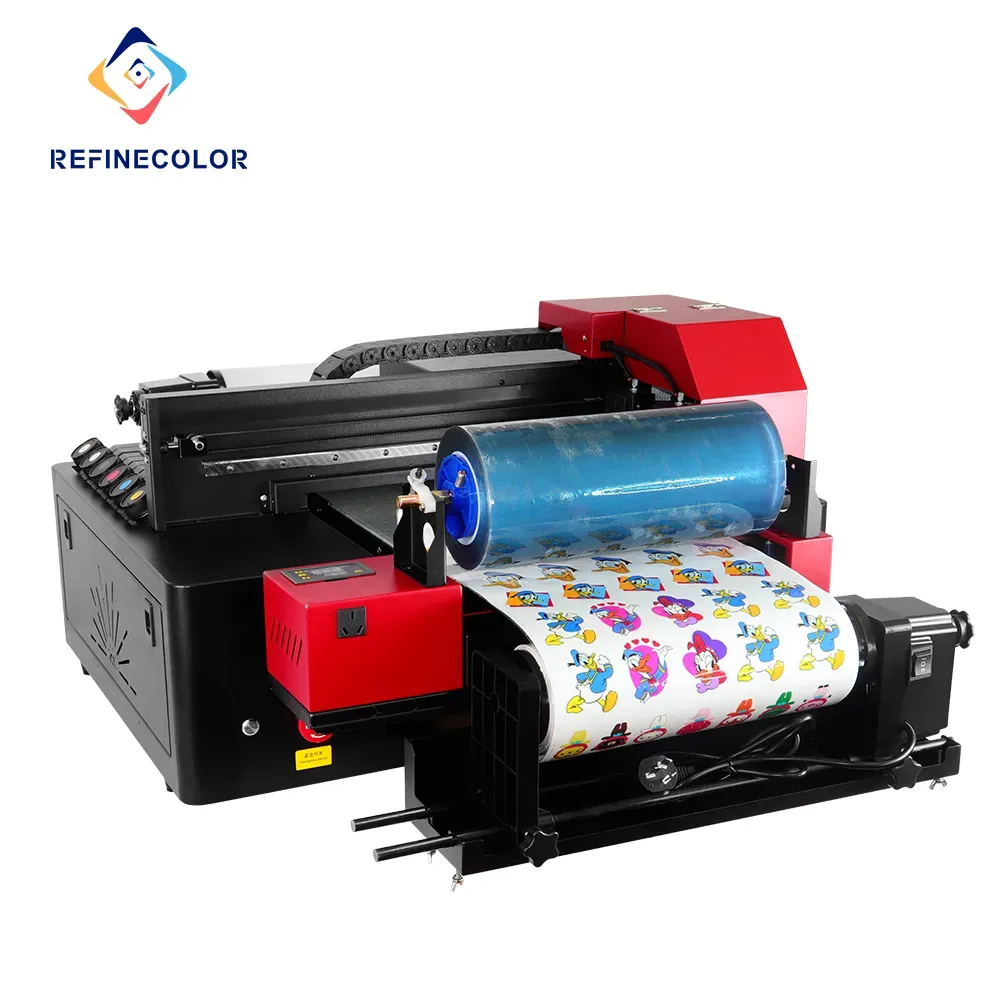
UV DTF transfers are revolutionizing the world of textile printing by providing vibrant and long-lasting designs possible through advanced technology. As more businesses adopt UV Direct-to-Film printing, mastering the techniques involved becomes crucial for success in this competitive market. This introductory guide will delve into the essentials, such as DTF printing tips and how to enhance the quality of DTF transfers, equipping you with valuable insights. Whether you’re a beginner seeking guidance or an experienced printer aiming for efficiency, understanding UV DTF can significantly improve your workflow and results. Join us as we explore the myriad possibilities this innovative technique offers for captivating the eyes of your customers.
In the realm of modern printing solutions, the terminology surrounding UV DTF can sometimes vary, with many referring to it as UV direct-to-film printing or UV transfer techniques. This cutting-edge process utilizes UV-curable inks that are precisely printed onto a specially designed film before being applied to a variety of surfaces. Known for its versatility and durability, this technique is paramount for achieving intricate designs with a multitude of colors. For those interested in exploring the endless applications of UV-based transfer technology, this comprehensive guide will cover everything from a beginner’s guide to DTF applications to effective strategies for maximizing print quality and efficiency.
Understanding the Process of UV DTF Transfers
UV DTF transfers hinge upon a nuanced process that begins with the careful selection of materials. The transfer sheets play a crucial role in the final output; premium quality sheets designed expressly for UV DTF applications ensure that the print adheres well and exhibits vibrant colors. Moreover, the inks utilized in this process are specifically formulated to cure under UV light, where the interaction between the ink and the substrate creates a durable bond. This understanding is essential for anyone looking to delve into UV DTF printing, as it directly affects the quality of the results.
In mastering the process of UV DTF transfers, proper surface preparation cannot be overlooked. A surface that is clean, devoid of dust and grease, allows for optimal adhesion of the transfer. Additionally, it’s important to adhere to the manufacturer’s specifications for heat settings and pressure application. Mismanagement at this stage can lead to issues such as poor adhesion or, conversely, damage to the transfer. A thorough comprehension of these intricacies can significantly enhance the outcome of your DTF prints.
Essential Tips for Successful DTF Printing
To ensure the success of your UV DTF printing endeavors, implementing specific strategic tips is vital. One powerful approach is to continuously monitor the curing times and conditions during the printing process. Inadequate curing can result in prints that are not only lackluster but also prone to fading and damage. Therefore, keeping a vigilant eye on environmental factors such as humidity and temperature can make a substantial difference to the durability of the final product.
Moreover, using premium inks is an investment that pays off handsomely. High-quality inks enhance not only the brightness and clarity of your designs but also their longevity. This aspect of UV DTF printing cannot be overstated, as the inks and their compatibility with various substrates fundamentally impact the aesthetic appeal of the end product. Following these DTF printing tips can significantly boost the quality of your transfers, ensuring your customers receive prints that exceed their expectations.
Beginner’s Guide to Getting Started with DTF
For those new to the world of UV DTF printing, a structured approach can ease your entry into this intricate field. Equip yourself with the right tools including professional design software that aids in creating stunning designs conducive to printing. Alongside design software, ensure you also have a reliable heat press machine that can withstand consistent temperature settings—this is pivotal to achieving uniform curing across your prints.
Furthermore, investing in quality UV DTF inks and films tailored specifically for this printing technology is essential for beginners. These components directly influence the quality, transferability, and overall vibrancy of your designs. The curriculum wrapped in our Beginner’s Guide to UV DTF Transfers serves as a knowledgeable resource to help newcomers navigate their way through the basics, streamline their learning process, and lay a solid foundation in DTF printing.
Enhancing the Quality of Your DTF Transfers
Quality enhancement in UV DTF transfers often leads back to the integration of advanced technologies and techniques. For instance, employing innovative heat pressing methods ensures even heat distribution across the transfer. This factor is crucial because uneven heat leads to poor adherence, risking the overall quality of your prints. By adopting technologies that provide uniform heat and pressure, you can significantly improve the durability and vibrancy of your designs.
Additionally, it is worth experimenting with various substrates during the DTF printing process. Different materials react uniquely to UV inks, and discovering which substrates yield the best results can elevate the overall quality of your prints. Establishing a knowledge base of successful material combinations can also streamline your workflow, thereby enhancing productivity while maximizing print quality.
Streamlining Your DTF Workflow
Workflows in UV DTF printing can greatly benefit from strategic planning and optimization. An efficient layout design is a key factor in minimizing waste and costs, as it maximizes the use of available material and time. By strategically organizing the workspace and developing a systematic approach to your printing tasks, you can significantly heighten productivity and overall output quality.
Moreover, integrating cutting-edge technologies into your DTF process can also streamline workflow efficiency. Advancements in printing machinery not only increase speed but often enhance print quality, allowing for the production of intricate designs with ease. This shift toward automation or smart technology can help businesses offering UV DTF services keep up with demand while maintaining high standards of quality.
Maximizing Customer Satisfaction through Quality DTF Prints
Customer satisfaction is fundamentally tied to the quality of the products offered. In UV DTF printing, ensuring that final prints meet the highest standards is essential for fostering customer loyalty and trust. Focus on details, such as the precision of prints and the durability of designs, as these factors impact the end-user experience significantly. A customer pleased with the quality of their prints is likely to return for future projects and recommend your services to others.
Additionally, providing exemplary post-sale support, such as care instructions for the DTF prints and addressing customer inquiries promptly, can enhance your reputation in the market. Educating customers on how to maintain their prints can not only improve their satisfaction but also minimizes complaints or returns. Engagement and support reinforce consumer confidence in your brand and the UV DTF technology you implement, ultimately leading to a sustainable business model.
Frequently Asked Questions
What are UV DTF transfers and how do they work?
UV DTF transfers utilize UV curable inks printed on a specialized film. This film is then applied to various substrates using heat and pressure, resulting in vibrant, durable designs suitable for a wide range of materials.
What tips can improve the quality of UV DTF transfers?
To enhance the quality of your UV DTF transfers, use premium transfer sheets, ensure proper ink curing, and maintain even heat application during the transfer process. Experimenting with different substrates can also yield better results.
What essentials should beginners know about UV DTF printing?
In a beginner’s guide to UV DTF, it’s important to have quality design software, reliable heat pressing equipment, and high-quality UV DTF inks and films. Understanding these tools will significantly improve your printing outcomes.
How can I create an efficient DTF workflow for UV printing?
To achieve an efficient DTF workflow with UV printing, optimize your layout designs, plan your workspace to minimize waste, and consider incorporating advanced printing technologies to speed up the process.
What are some common mistakes to avoid in UV DTF printing?
Common mistakes in UV DTF printing include touching the adhesive side of transfers, ignoring the manufacturer’s heat settings, and failing to properly cure inks. Avoiding these can significantly improve the success of your transfers.
How do UV DTF transfers compare to traditional transfer methods?
UV DTF transfers offer superior vibrancy and durability compared to traditional transfer methods. The use of UV-curable inks allows for intricate designs and is effective on various materials, making them a versatile choice in textile printing.
| Key Components | Details |
|---|---|
| 1. Understanding UV DTF Transfers | Utilizes UV curable inks on specialized film for various substrates, offering detailed designs. |
| 2. Getting Started with UV DTF Transfers | Prepare surfaces, avoid touching adhesive, monitor heat settings for successful application. |
| 3. Top Strategies for Perfection | Use quality transfer sheets and monitor curing conditions to enhance prints. |
| 4. Quality Enhancement Tips | Invest in premium inks, ensure even heat application, and experiment with substrates. |
| 5. Beginner’s Guide to UV DTF Transfers | Essential tools: design software, heat pressing equipment, and quality inks/films. |
| 6. Workflow Efficiency Tips | Optimize layout designs and use advanced technologies for better efficiency. |
Summary
UV DTF transfers represent a transformative opportunity for businesses seeking to elevate their printing capabilities. By understanding the nuances of this technology, from preparation and application to workflow optimization and quality enhancement, you can ensure your printing processes not only meet industry standards but also exceed customer expectations. Emphasizing high-quality materials and effective strategies will set your offerings apart, ultimately contributing to your success in the competitive textile printing market.