
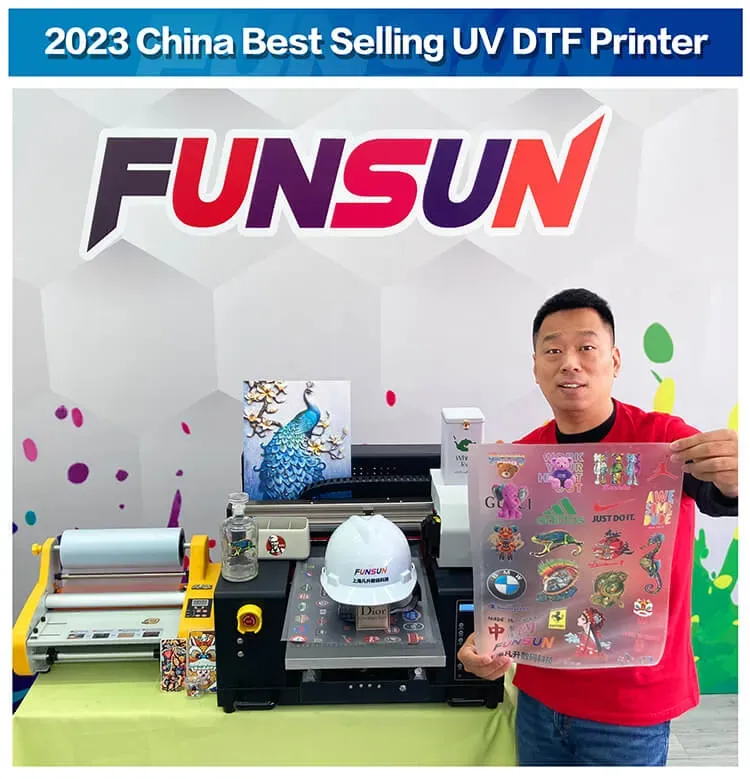
UV DTF printing offers a revolutionary approach to modern printing technology, combining speed and quality for a wide range of substrates. As businesses increasingly seek sustainable printing methods, the versatility of UV DTF becomes apparent, allowing for vibrant and detailed designs that traditional printing methods may struggle to achieve. This cutting-edge printing process not only reduces waste but also enhances efficiency, making it a valuable asset for any business aiming to thrive in today’s competitive marketplace. In this article, we will examine the distinct advantages of UV DTF printing, particularly in comparison to traditional methods, and explore how adopting this innovative technology can improve your operational effectiveness. Whether you prioritize printing quality, sustainability, or efficiency, understanding the benefits of UV DTF will help you make the best choice for your printing needs.
Known as Direct-to-Film printing, UV DTF printing represents a significant advancement over conventional techniques like screen printing and offset printing. This method utilizes ultraviolet light to instantly cure inks, resulting in impeccable prints on various materials, from textiles to plastics. Unlike more traditional printing processes, which often require extensive setup and lower flexibility in design, UV DTF technology shines through its ability to produce vibrant, high-quality outputs efficiently. With a growing emphasis on environmentally friendly practices in the industry, this innovative approach meets the demand for sustainable printing methods. By examining UV DTF and its unique benefits, businesses can better navigate the landscape of modern printing technology.
The Environmental Impact of UV DTF Printing
UV DTF printing represents a significant leap forward in sustainable printing technology. Unlike traditional methods that often rely on complex processes involving chemicals, solvents, and various consumables, UV DTF printing uses a digital approach that minimizes waste. The inks used in UV DTF are UV-curable, which means they solidify under UV light, drastically reducing the need for water and other harmful substances. This inherent efficiency aligns with the growing demand for eco-friendly practices in the printing industry.
Moreover, the UV DTF process generates less excess material since it allows for precise printing directly onto the substrate without the extensive setup associated with traditional printing. By reducing waste and utilizing non-toxic inks, businesses can not only enhance their sustainability efforts but also appeal to a conscious consumer demographic that values environmentally responsible practices.
Cost-Effectiveness of UV DTF Printing
When comparing UV DTF printing to traditional printing methods, one of the most compelling advantages is its cost-effectiveness, particularly for small to medium-sized businesses. Traditional printing often incurs higher upfront costs due to the need for extensive setup and the purchase of specialized equipment for different printing techniques. In contrast, UV DTF printing requires a less complex setup, which can significantly reduce linked expenses and time.
Additionally, businesses can expect to see lower costs per unit as they scale their production due to the rapid printing speeds achieved with UV technology. As businesses choose UV DTF, they not only streamline their printing processes but also cut down on labor and material expenses, allowing for greater budget flexibility in other operational aspects.
Design Flexibility with UV DTF Technology
One of the standout features of UV DTF printing is its ability to support intricate and detailed designs that might challenge traditional printing methods. UV DTF technology excels in printing high-resolution images with vibrant colors that remain consistent and intact over time. This capability is particularly beneficial for businesses specializing in custom apparel and merchandise, where design intricacy plays a crucial role in product appeal.
Furthermore, UV DTF also allows for personalized printing options, such as variable data printing, where every item can feature a different design or text. This versatility supports a highly tailored customer experience, catering to modern consumer preferences for unique, customized products.
Comparative Quality: UV DTF vs. Traditional Printing
In the quality comparison between UV DTF printing and traditional methods, UV DTF emerges as a frontrunner. The resolution and depth achievable with UV DTF technology surpass those typically found in traditional printing methods like screen printing, particularly when it comes to gradient colors and fine details. UV DTF employs a sophisticated curing process, allowing the prints to retain sharp features and vivid colors that are resistant to fading.
On the other hand, traditional printing methods, while still capable of producing high-quality prints, often struggle with intricate designs due to their multilayer approach and the limitations of materials. The durability of prints also favors UV DTF, as the cured inks provide a robust finish that withstands wear and tear, making it ideal for products in high-use scenarios.
Innovative Trends in Printing Technologies
As printing technology continues to advance, innovations like UV DTF printing are setting new benchmarks for efficiency and customization. The integration of digital platforms allows businesses to respond more innovatively to market demands and consumer desires for personalized products. This trend is indicative of a broader shift in the printing industry towards greater responsiveness and flexibility.
Companies adopting UV DTF technology are not only capitalizing on faster production times and reduced costs but are also aligning their operations with evolving consumer trends that favor customization and immediacy. The ability to quickly adapt designs and produce them on-demand makes UV DTF a strategic choice for businesses looking to remain competitive in fast-paced markets.
Looking Ahead: The Future of UV DTF Printing in Business
The future of UV DTF printing in business looks promising as more companies recognize its potential for enhancing operational efficiency and product quality. As advancements in technology continue to emerge, UV DTF is expected to evolve further, incorporating more features that could enhance automation and precision in printing processes. With the growing emphasis on sustainability, UV DTF’s environmentally friendly characteristics will likely become more appealing to a broader range of businesses.
Moreover, the potential for integration with other technologies, such as artificial intelligence and augmented reality, could take UV DTF printing to new heights. By understanding consumer behaviors and preferences in real-time, companies equipped with UV DTF technology can better meet customer expectations and drive innovation in their product offerings.
Frequently Asked Questions
What are the main benefits of UV DTF printing compared to traditional printing methods?
UV DTF printing offers several advantages over traditional printing methods, including faster setup times, less initial investment, and the ability to print detailed designs on a variety of substrates. Additionally, it promotes sustainability by reducing waste and eliminating harmful chemicals commonly used in traditional printing.
How does UV DTF printing impact sustainability compared to traditional printing?
UV DTF printing is considered more sustainable than traditional printing because it significantly minimizes waste and does not require harsh chemicals during the printing process. This eco-friendliness aligns with the growing demand for sustainable printing methods in the industry.
In terms of print quality, how does UV DTF printing compare with traditional printing techniques?
UV DTF printing is renowned for its vibrant colors and exceptional detail, often outperforming traditional printing methods in producing intricate designs. This makes UV DTF an ideal choice for businesses aiming for high-quality prints that stand out in the market.
What types of materials can be used with UV DTF printing versus traditional printing?
UV DTF printing is versatile and can effectively print on various materials, including textiles, plastics, and metals. While traditional printing methods can also handle multiple substrates, they may require specific inks or processes that can limit versatility.
Are there any limitations to UV DTF printing when compared to traditional printing methods?
While UV DTF printing offers many benefits, it may not be the best option for very large production runs where traditional methods shine due to their cost-effectiveness at scale. Additionally, some traditional printing techniques may still be preferred for specific niche applications or established products.
Why should businesses consider transitioning to UV DTF printing from traditional printing methods?
Businesses should consider transitioning to UV DTF printing for its efficiency, high print quality, and sustainability advantages. UV DTF printing not only reduces operational costs but also aligns with modern consumer preferences for eco-friendly practices, giving companies a competitive edge.
| Feature | UV DTF Printing | Traditional Printing |
|---|---|---|
| Quality of Printing | High vibrancy, durability, and intricate detail. | Capable but may struggle with intricate designs. |
| Cost and Efficiency | Lower initial investment and faster processing, suitable for smaller jobs. | Higher setup costs and potential material waste, better for bulk production. |
| Sustainability | Eco-friendly with reduced waste and harmful chemicals. | Higher waste generation, larger environmental footprint. |
| Versatility and Innovation | Supports innovations like 3D texturing for standout designs. | Versatile but lacks adaptability found in UV DTF. |
Summary
UV DTF printing is revolutionizing the printing industry by offering distinct advantages over traditional printing methods. This innovative technology provides businesses with high-quality output, exceptional versatility, and sustainability that aligns with modern corporate responsibility. As more companies transition to UV DTF printing, they can leverage the benefits of faster production times, lower costs, and a reduced environmental impact to enhance their competitive edge. Understanding the differences between UV DTF and traditional printing is crucial for businesses aiming to meet evolving customer demands in today’s dynamic market.

